A few years ago, I did a five day water fast. I weaned myself from coffee beforehand, and then just did it. I drank distilled water for five days. I did a little write up of it here but what I remember most vividly was how my sense of smell and taste became so intense that when I did break the fast with a banana, it was the best taste I had ever experienced.
If you are already following a healthy whole food plant-based diet, one rich in fruits, vegetables, whole grains, and starches, preferably without oil, added salt or sugar, you are doing great. However, if you’re like me, where I fall into a routine of roughly the same breakfast (variations of oats and berries), lunch (large raw salad, some whole grains and legumes, a few dates), and dinner (similar to lunch most of the time), you will inevitably experience some palate boredom. Which can be ok if you are busy and are eating nourishing foods. Not everything has to be a party in your mouth. But, in the gastronomical wasteland that most of us live in, processed quasi-healthy foods, not to mention simply unhealthy foods, that are calorie dense are easily available. And, biologically, we are drawn to them. Which could explain my love for Nana Joe’s granola. Sister Pizza’s vegan pizza, or Good Earth’s burritos. If you are unfortunately eating an unhealthy hyper-processed, high fat, animal laden and calorie dense diet with loads of salt, sugar, and oils, where an apple tastes like a ball of water, a reset could really help open your awareness. So, if you are increasingly drawn to indulge or indulge with every single meal, consider a palate reset with a short fast. It does not take long.
It’s simple. Have your breakfast and tea and then drink water for the rest of the day. Go at least 24 hours with nothing but water. You might have a crappy night but biologically, it will be ok. Evolutionarily, we are not meant to be in a constantly fed state. And, our bodies do expend a lot of energy digesting (though a lot less energy if you are not consuming toxic foods like meat and dairy and oils). Why not give your body a rest, reset your palate so that your usual healthy food remains delicious, and detox from the processed food so that it encroaches less on your healthy lifestyle?
Treats are great but if you think you should have a treat every single day, you are likely sabotaging yourself in terms of long-term health gains.
Almost 700,000 people in the United States died from heart disease in 2020. Not counting the exceptional death toll in 2020-2021 caused by COVID-19, according to the Centers for Disease Control (CDC), heart disease remains the leading cause of death for men, women, and people of most racial and ethnic groups in the United States. Heart disease is a lifestyle-induced disease. Meaning that the choices you make on a day-to-day basis will determine whether you develop the disease or not. Diets high in saturated fat, cholesterol, sodium, refined foods, processed foods (white flour, white sugar, oil, etc.), and alcohol are the drivers of heart disease. That really translates into red meat, processed meat (sausages, prosciutto, jerky, etc.), chicken, fish, pork, eggs, cheese, milk, or any other lactation-derived product, candy, ice cream, soda, pastries, cakes, fast food, refined oil, etc., all staples of the western diet. Though smoking also increases the risk, diet is at the heart of the matter.
In 2017, almost 7% of the US population over 20 had cardiovascular disease, and close to 72 million people went to the hospital for a heart-related problem. That number represents 1 in 5 people in the US. In 2018, 30 million people in the US were diagnosed with heart disease. Every year, almost one million people in the US have a heart attack. And, alarmingly, by the age of 10, most children in this country have already begun to accumulate fatty streaks in their arteries. Ponder that and its implications for the quality of life that cardiovascular disease imparts. You may not die now from heart disease, but what will a day in your life be like with it?
With clogged arteries (atherosclerosis), delivering oxygen to your brain is taxing, moving is a chore, exercise is more difficult, living is difficult. Your body is not functioning optimally. Complications and co-morbidities arise. You’ll likely spend time in the environment of hospitals and doctor offices. The medicines and procedures prescribed to alleviate and manage the symptoms of heart disease have a myriad of side effects, which in turn require more medicines with side effects to remedy. This can complicate and exacerbate other health issues. Pills are very expensive bandages for wounds requiring stitches. In short, from the day cardiovascular disease begins to the point where it requires “management” to the point where it manifests as heart failure, heart attack, stroke, or death, there is an extended period in life where your body is not functioning optimally, where you will not feel your best, and where your life is negatively impacted until the end point. When you are diagnosed, this is the point at which your pharmaceutical slavery is likely to begin. And doctors are ready with an arsenal of medications and procedures to prescribe, from statins to blood thinners, beta-blockers, ACE inhibitors, and stents, all doing very little to solve the underlying cause of the disease.
The period from management to manifestation is where public policy (USDA/FDA) and aggressive marketing and lobbying efforts from Big Ag and Big Pharma keep you in the gray, keeping you “managed” in a state of slightly slower rate of physical decline with a metaphorical IV to your bank account. Public policy continues to tiptoe around the influence of Big Ag and Big Pharma, shackling those suffering from chronic lifestyle-induced conditions to permanent pharmaceutical enslavement—an existence where you will be required to purchase and ingest medications for the rest of your life to relieve symptoms without resolving the underlying cause of your illness. With the cost of caring for heart disease and its related conditions in the hundreds of billions of dollars, from a financial perspective, it is hard to see the status quo changing.
The medical system has aligned with the interests of Big Pharma and Big Ag to grant them a place in deciding your fate: not knowing how you ended up with heart disease, confused and misinformed about any action you can take to both alleviate and cure your disease, and now dependent on your doctor, who likely has received no guidance on preventative nutrition and drugs for the rest of your life.
This brings us to two studies every person (cardiologist and primary care physician included) should read: Dr. Caldwell Esselstyn’s study on preventative care for heart disease and Dr. Dean Ornish’s Lifestyle Intervention Trial. They both show that in interventional randomized controlled trials, a low-fat (around 10% or less of total kcal) whole-food plant-based diet (a diet rich in fruits, vegetables, legumes, and whole grains) halts and reverses the course of cardiovascular disease. A whole-food plant-based diet also quickly frees you from pharmaceutical slavery and the suffering that comes with it. With little cost and research, it is easy to implement.
Though modern medicine can miraculously remove a tumor, fuse a disk, or set a bone, it would be unusual and yet so simple and effective to get a prescription for preventative nutrition and the proper support to implement it. This could cost very little and could, miraculously, yield a cure. No prescription pad is needed. What if there were a financial incentive to cure instead of treat the patient?
The question, “What is the risk of me getting heart disease or what is my risk of death from heart disease?” remains an abstract, distant, and difficult one to answer until you are diagnosed. Even if you can connect the dots between diet and disease, nobody does the math in their heads. Cardiovascular disease doesn’t just appear; it develops. If your diet looks like the western diet or you habitually consume foods rich in saturated fat and cholesterol (animals), you are likely developing cardiovascular disease. You shouldn’t wait for a heart attack or stroke to inform you or for your primary care doctor to effectively guide you out of the gray.
As evidence rolls in for the health benefits of adopting a whole food plant-based diet (fruits, vegetables, whole grains, legumes, nuts and seeds), the case for dropping animal products (meat, poultry, fish, dairy, and eggs) from our diets becomes compelling. Science continues to tease out the numerous mechanisms as to why the consumption of animal products is unhealthful and disease-promoting. Whether it is from saturated fat, cholesterol, TMAO, heme iron, nitrosamines, hormonal contamination, bacterial contamination, or the way each of these factors interact as a whole with our biology, the public gets mixed information due to roadblocks set up by aggressive marketing, lobbying campaigns, industry funded “science”, and, in some cases, the FDA, much in the way the tobacco industries attempted to cloud the relationship between smoking and lung cancer decades ago. Now, smoking has taken second place to poor diet in the leading cause of disease. Here are some facts about meat consumption to consider before your next meal.
The International Agency for Research on Cancer (IARC) lists the consumption of red and processed meats as carcinogenic.
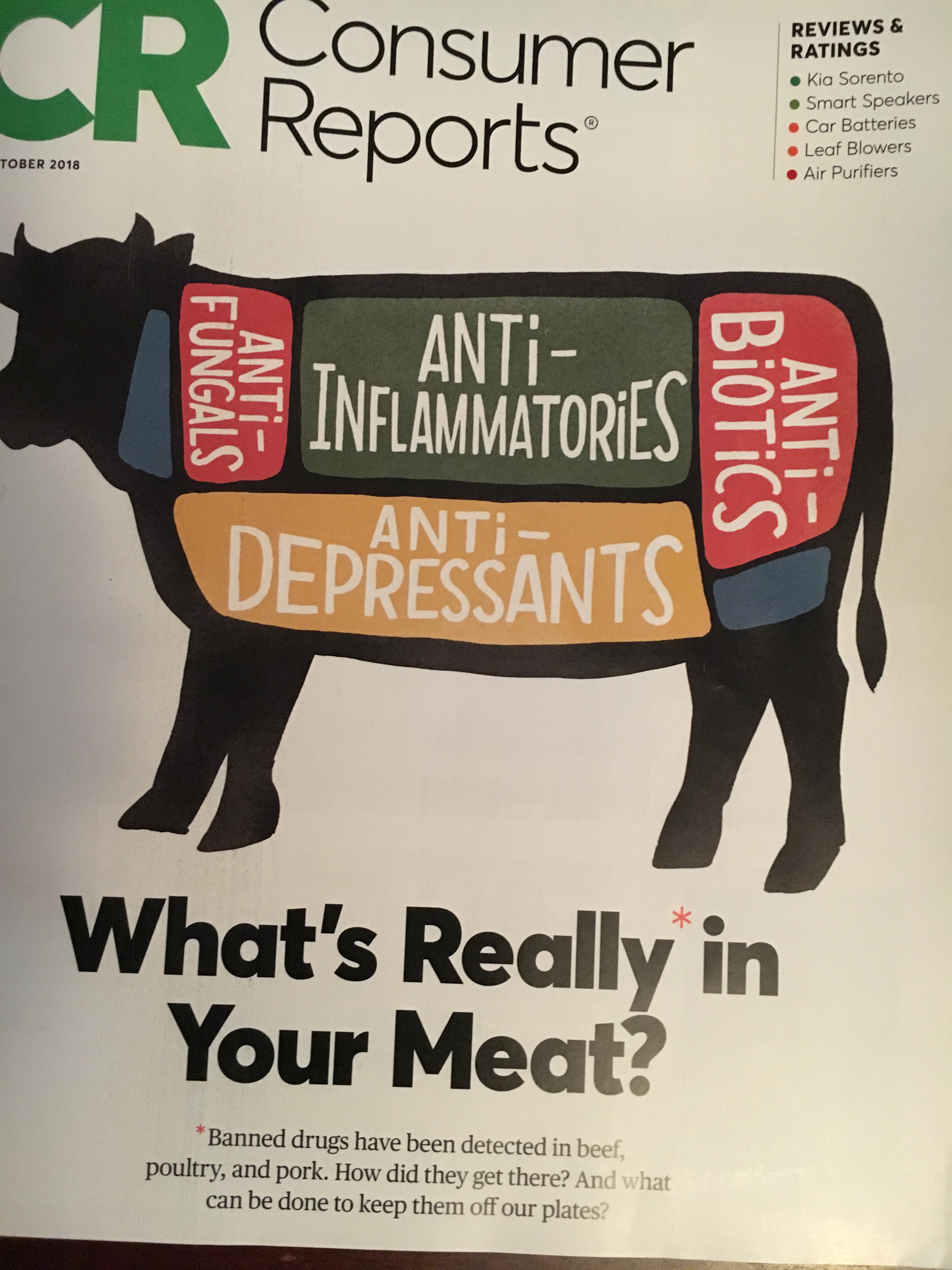
Red meat contains many harmful compounds in addition to saturated fat that include arachidonic acid (highly inflammatory omega 6 fatty acid), methionine (promotes cancer growth), trans-fatty acids (aka “trans-fats”), endogenous hormones like IGF-1 (promotes tumor growth), exogenous hormonal growth promoters, antibiotics, man-made contaminants (fertilizers, pcbs, pesticides), and formaldehyde, among others.
Red meat contains bovine pathogens such as E. Coli and bovine spongiform encephalopathy which can lead to serious and life-threatening bacterial and viral infections.
Steroid hormones in meat and dairy products are complicit in the risk factors for various cancers in humans.
The digestion of meat raises Trimethylamine N-Oxide (TMAO) levels in blood dramatically. High TMAO blood levels are associated with cardiovascular disease, obesity, Alzheimer’s, and cancer. It is also associated with a dysfunctional microbiota.
Controlled trials by Dr. Dean Ornish at the Preventative Medicine Research Institute led to an inverse relationship between health outcomes and the consumption of animal products (red meat, poultry, fish, eggs, and dairy).
Reversal of coronary heart disease was achieved by eliminating meat, dairy, fish, and oil from patients’ diets during a clinical trial at the Cleveland Clinic by Dr. Caldwell Esselstyn.
In metabolic ward studies, interventional studies, and randomized clinical trials, an increase in saturated fat from dietary sources (meat, dairy, eggs) led to an increase in LDL cholesterol. High LDL levels are a primary indicator of coronary heart disease.
There is a strong correlation between diets high in dietary cholesterol (meat, eggs, dairy) and elevated risks of stomach, colon, rectum, pancreas, lung, breast, testicular, kidney, and bladder cancers.
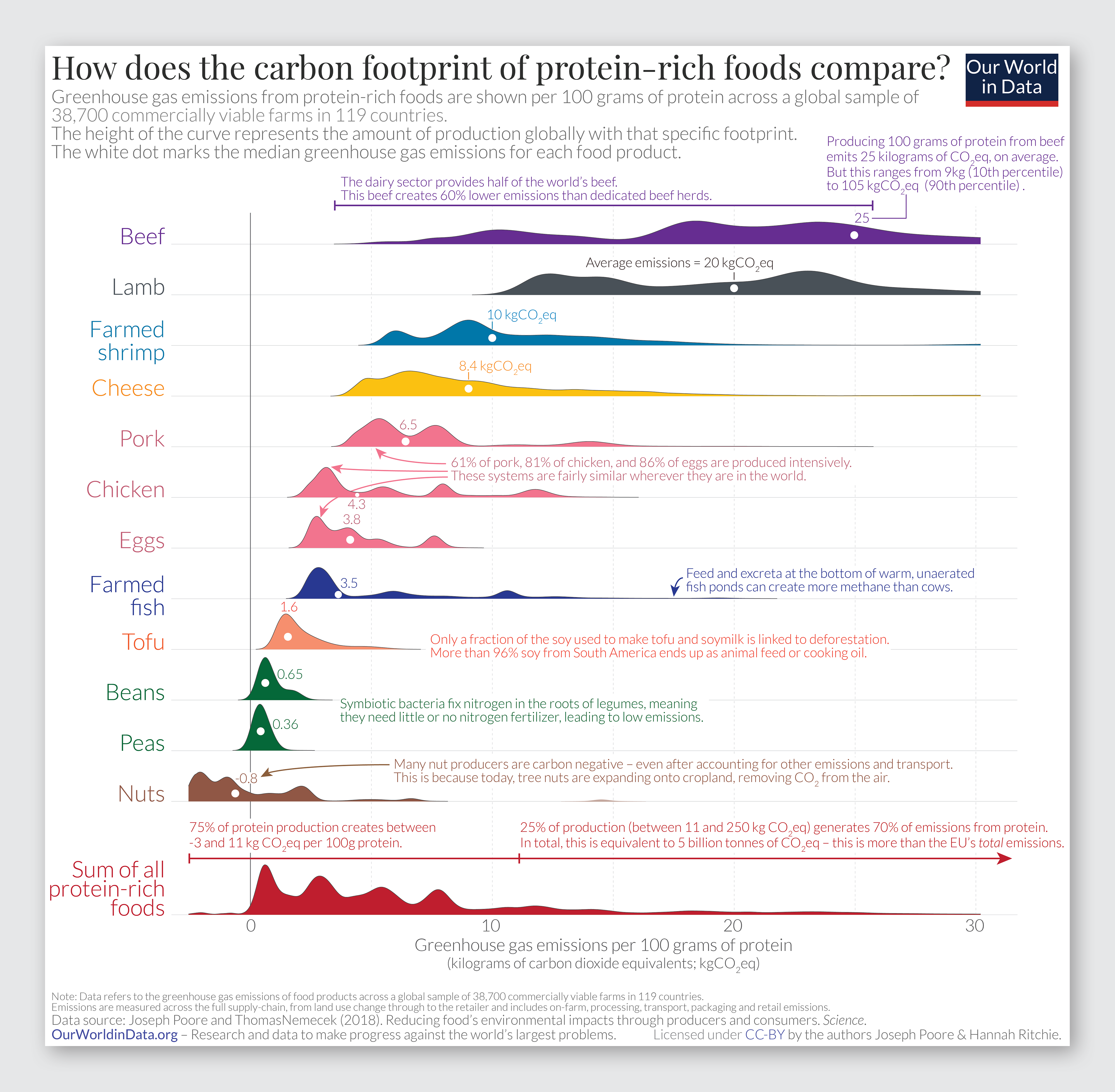
The water footprint of producing red meat is devastating our environment. It takes approximately 1800 gallons of water to produce 1 pound of beef (roughly 30 gallons/1 g of protein) whereas it takes approximately 500 gallons of water to produce 1 pound of chickpeas (roughly 5 gallons/1g of protein). A pound of potatoes only takes 34 gallons.
The carbon footprint of beef is 25x more than that of beans and peas combined.
Methane, a greenhouse gas and powerful driver of climate change, emissions from cattle has far more impact on global warming than previously thought.
If there were a Dr. Michael Greger action figure, there would be one in my kitchen. I discovered his www.nutrtionfacts.org years ago and then read his How Not to Die and more recently his How Not to Diet. The nearly 5000 citations from carefully scrutinized science studies and publications is enough to make you giddy with science.
And, yes, there is a whole section on Keto diets and what the science says. I’ve encouraged all my friends who have tried keto to watch the keto video series on nutrtionfacts.org and to read his How Not to Diet. I’ve also encouraged friends to read these books if they simply want some evidence-based guidance to maximize their health.
There is a better path for health and for those wanting to reach a healthy weight. A few of the studies that stood out from his books have showed that low-carb diets increased mortality from ALL causes. The longest lived populations around the world eat high carbohydrate diets centered around whole foods: sweet potatoes, whole grains, vegetables, fruit, etc… There is often a confusion in the fitness industry where all carbohydrate = bad. Processed carbohydrates like white flour, white bread, white rice, sugar, high fructose corn syrup, are indeed unhealthful foods – high in calories and lacking any nutritive value. But whole grains, rich in fiber, minerals, nutrients, and protein, are a different matter all together. Which is perhaps why they lower your risks of heart disease, obesity, type 2 diabetes, and chronic inflammation.
Simply following a whole food plant based diet led to the most profound health changes I’ve experienced: from a better mood and energy to better athletic performance to better sleep. What I fuel my body with is making me healthier and not mortgaging my health for short term optics.
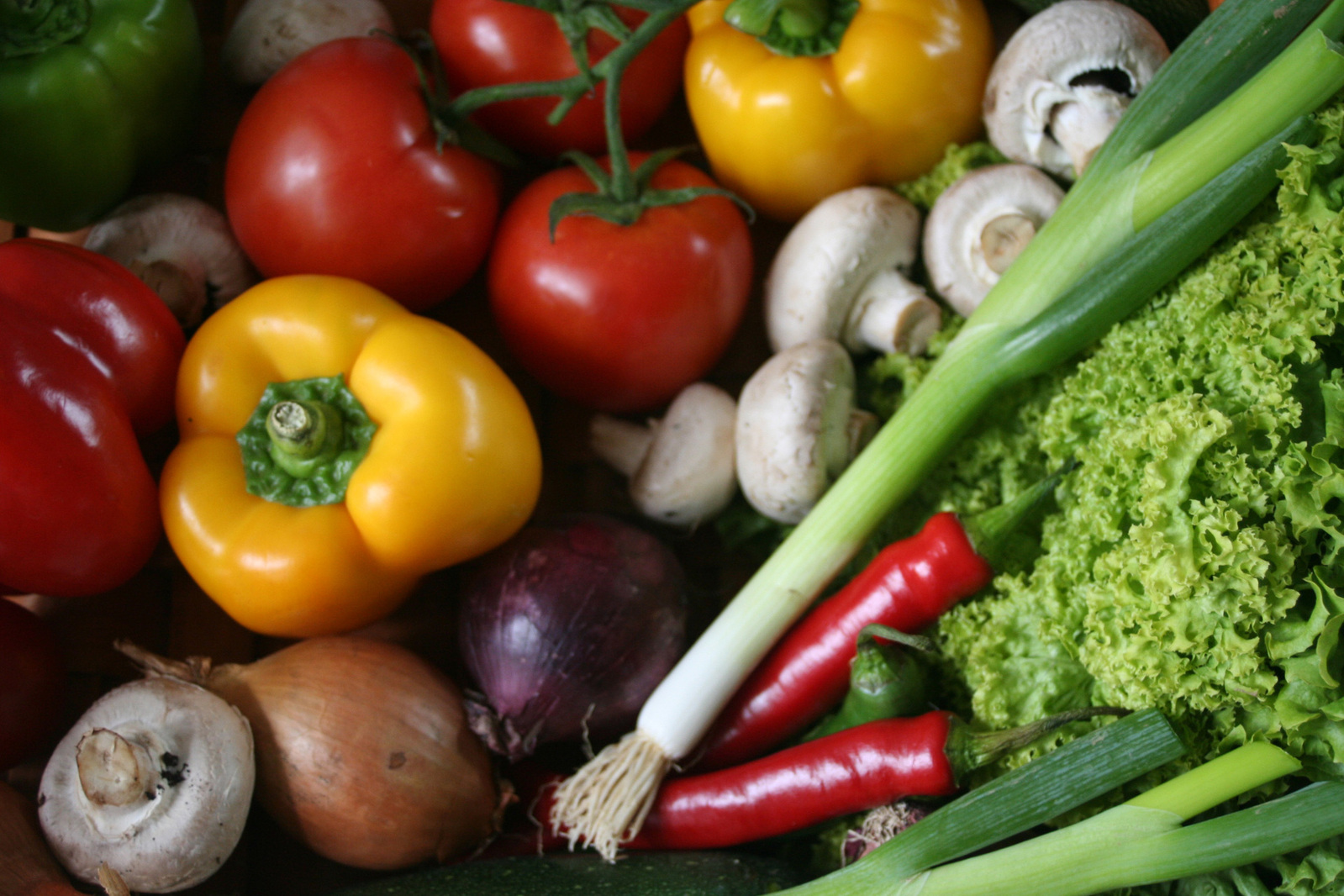
So, after years of eating a whole food plant based diet, I thought I’d share what a typical lunch looks like. I tend to run or workout before a late lunch so it is the largest meal in volume but perhaps not in calories (though there are plenty). I aim to get as many raw vegetables of as many varieties and colors as I can. Before rinsing and throwing everything into my salad bowl I had a handful of strawberries that were sitting on the counter and ate a few handfuls of baby arugula because it would not fit. In the bowl you’ll see some sprouts (a mix), carrots, red cabbage, broccolini, a red and yellow pepper, and an heirloom navel orange. By the end of this meal I will have had 10-12 servings of veggies and about 7-8 servings of fruit (including what I had at breakfast). This way, anything at dinner is a bonus!
I’ll also try to include some lightly steamed dark leafy greens with some spices. In the smaller bowl you’ll see some purple and green kale with granulated garlic, chipotle powder, oregano, and a splash of apple cider vinegar below a pile of black beans with salsa. Typically, I’d also have a pile of quinoa or millet or some whole grain but I was too hungry to wait for that to cook and the fridge didn’t have leftovers. I’ll get them at dinner. After all of this, I’ll grab a date or two and a few walnuts.
Maybe the next post will have a picture of breakfast!
Switching to a plant-based diet from a western or fatty animal-heavy diet to lose weight, unlike other diets, is a healthy choice. A healthy plant-based diet aligns perfectly with optimal health, reversing many chronic lifestyle induced diseases and maladies, and as a side benefit, weight will come off. All plant-based diets are not created equal though.
The healthiest for chronic health issues is an sos (salt oil sugar free) whole food plant based diet (wfpb). A wfpb diet consists of fruit, vegetables, whole grains, starches, legumes, nuts and seeds, herbs and spices. There is a spectrum though. Sos wfpb is the healthiest diet. Even if you include a sprinkle of salt and sugar with it, it is still healthier than anything else. Add a little oil and it’s slightly less healthy, add vegan junk food (french fries are vegan) and fake processed meats and it becomes a lot less healthy, and real dairy and eggs and it becomes dramatically unhealthy, etc…
If you are having trouble losing weight on your current plant-based diet, try this for a month:
Make sure you are eating sos wfpb meals and food.
Drop out all sources of concentrated fats and calories (no nuts and seeds or avocados or breads)
Drink a large glass of water upon waking and more throughout the day but don’t over hydrate.
Eat more and a lot of raw fruits and vegetables.
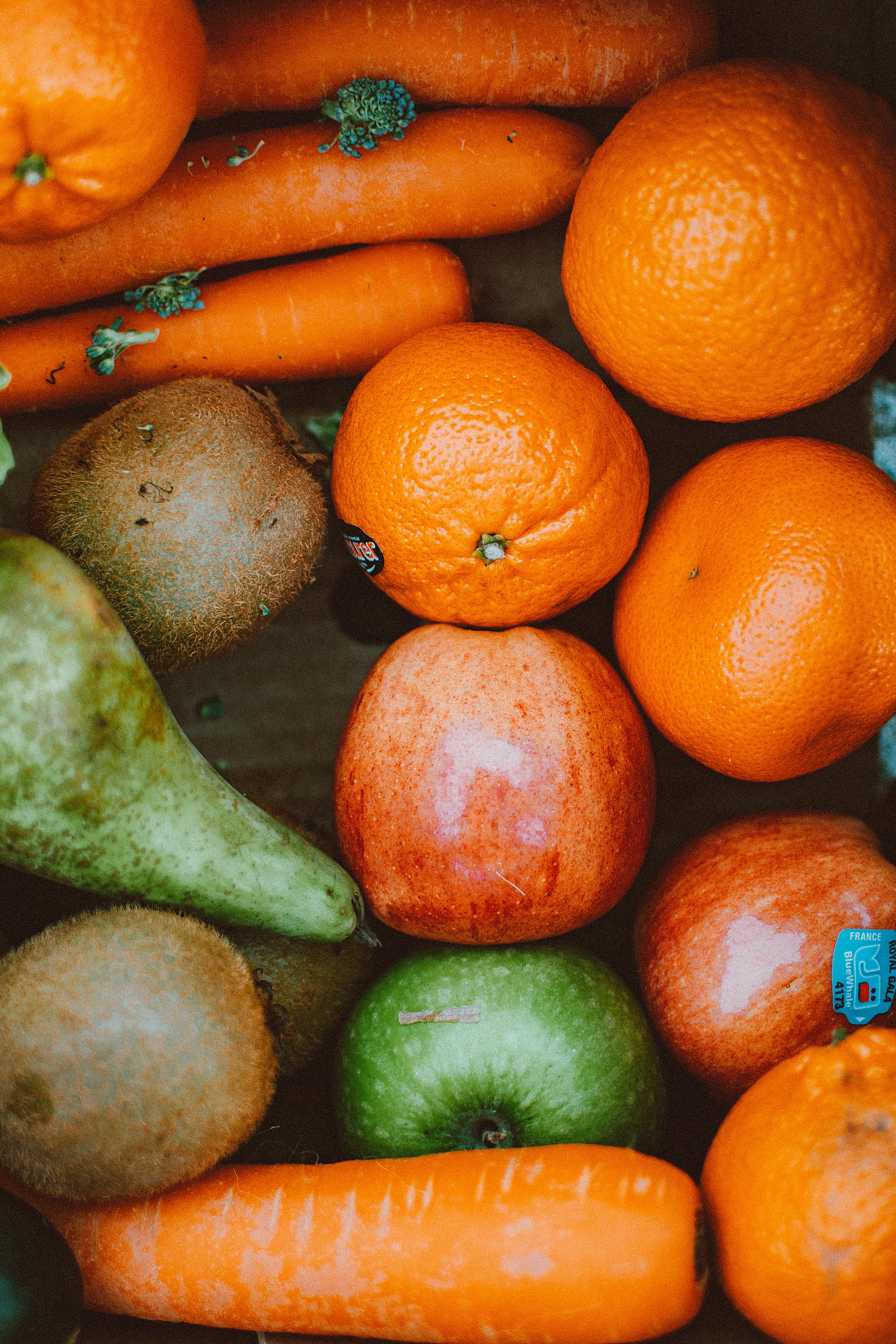
Eat very high water content foods (cucumbers, carrots, kale, arugula, romaine, melons, eggplant, apples, berries, celery). They will fill you up, you can gnaw all day, and you will be sated.
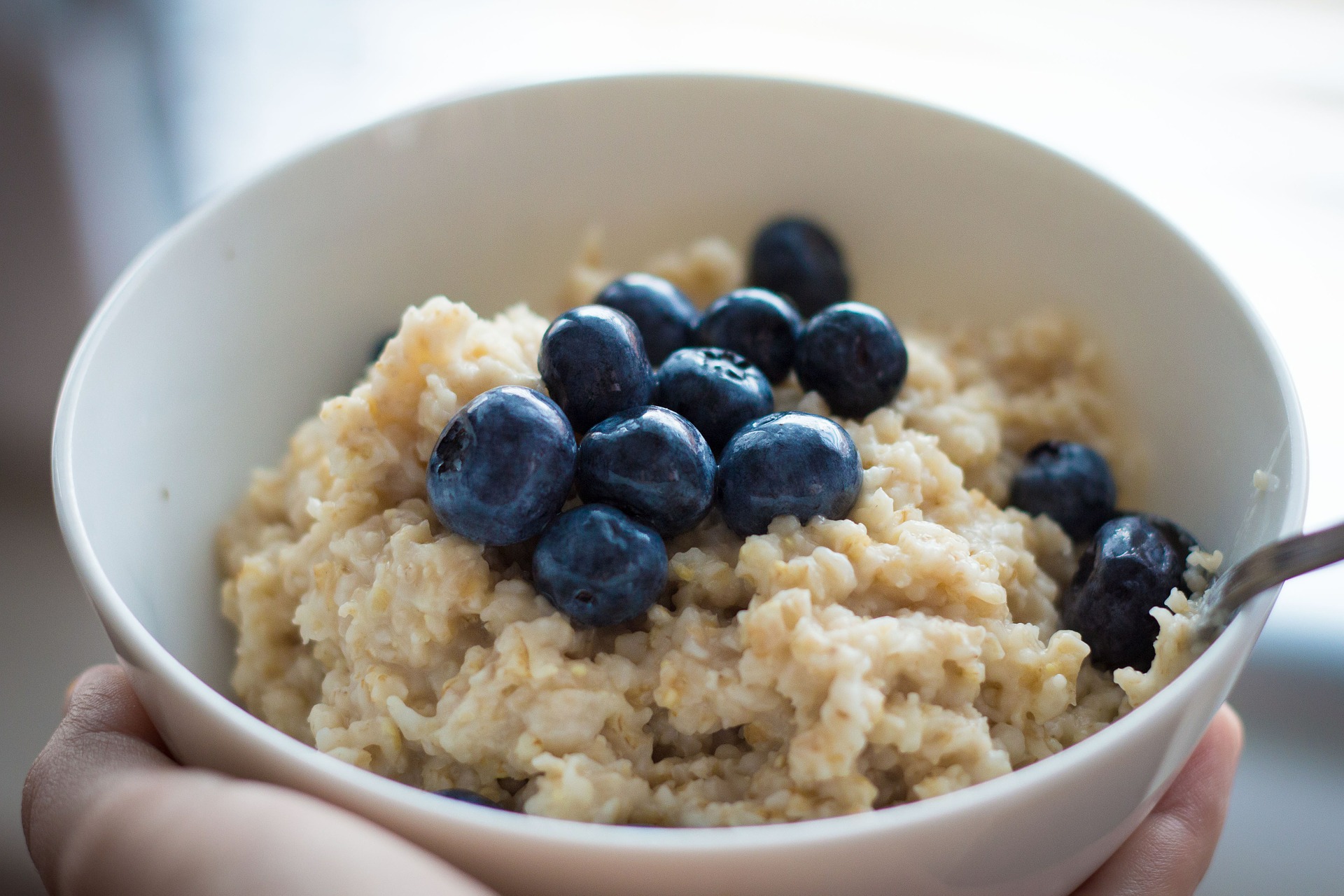
Have a large satiating breakfast (oatmeal, berries, bananas).
Eat a lot of whole grains and potatoes.
Sleep more.
Stop eating a few hours before bedtime. A good cutoff is 8:00.
Walk more.
Do a bit of bodyweight resistance exercises (body squats, lunges, pushups, planks, etc).
Drink tea (skip the milks).
Have a weekly dose of B12 or if you are older than 60 consult nutrionfacts.org for the correct recommendations.
Do not count calories or waste your time with macros.
Your tastebuds will acclimate. I find that the tastier the food, the more my appetite grows. Keep it simple. You’ll appreciate the taste fo fruits and the subtleties of vegetables more. You’ll feel great.
New York Times’ Gretchen Reynold just summarized a study which found that hyperglycemia blunts gains from exercise. Hyperglycemia happens for many reasons but primarily from insulin resistance. Saturated fat (and high fat diets) contribute to insulin resistance by impairing your cells’ ability to absorb glucose for energy. Simply stated, by eliminating saturated fat, processed food, sugar, and other concentrated sources of fat (oils), your cells will return to functioning the way they are supposed to.
The study pointed out that the diets comprised of high quality carbohydrates (i.e. fruit, whole grains, and starches) were the ones that led to higher gains. Sugar and fat = decreased gains from exercise. Fruit and whole grain = gains from exercise.
It’s worth noting that high fat diets also impair endothelial function and that low carbohydrate diets are linked to all cause mortality.
Stick to high levels of fruits, whole grains, vegetables, and starches. White potatoes are awesome. Do not eat fat.
Dr. Michael Greger’s Nutrition Facts website has a sliver of videos and articles highlighting high standard clinical studies on nutrition and athletic performance. If you are a nutrition junkie with a running addiction, this series of videos is a valuable resource for your athletic and health pursuits.
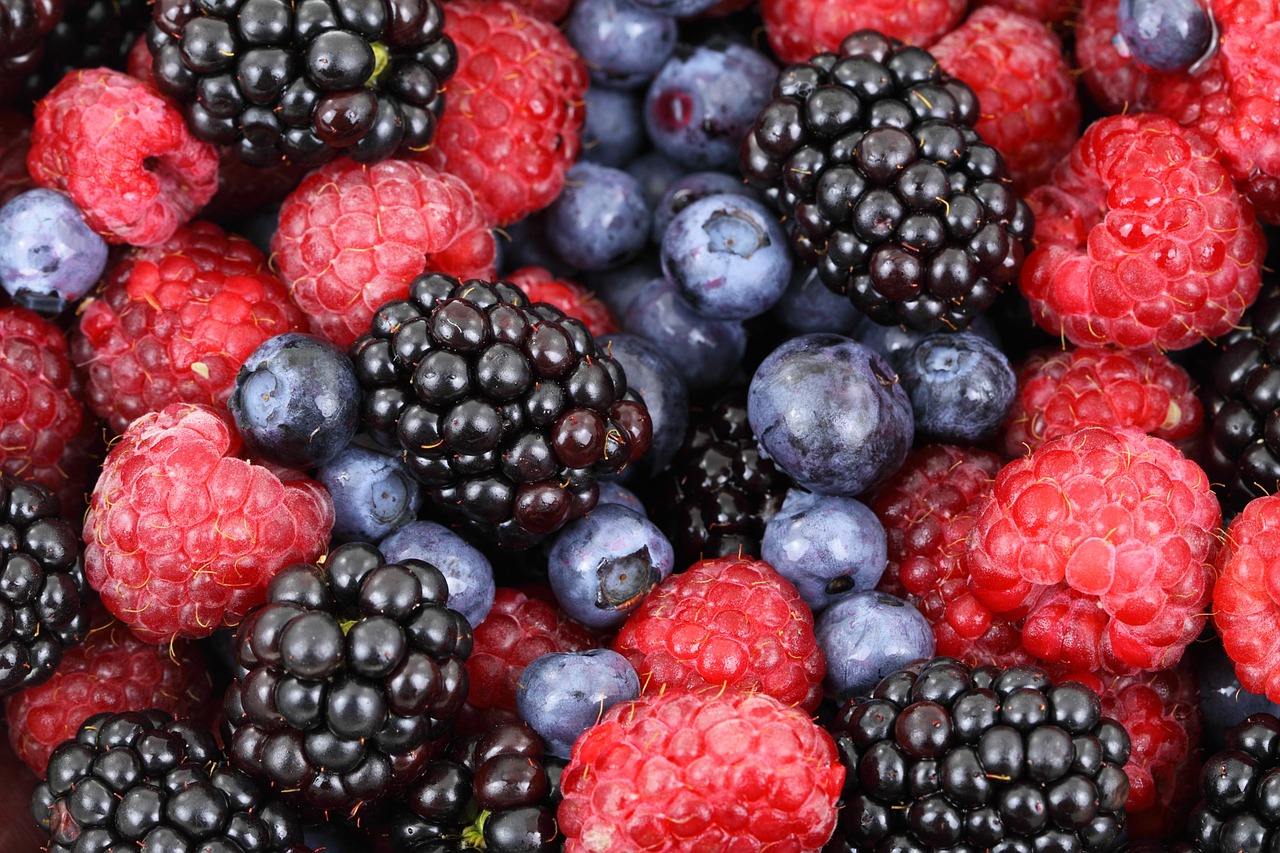
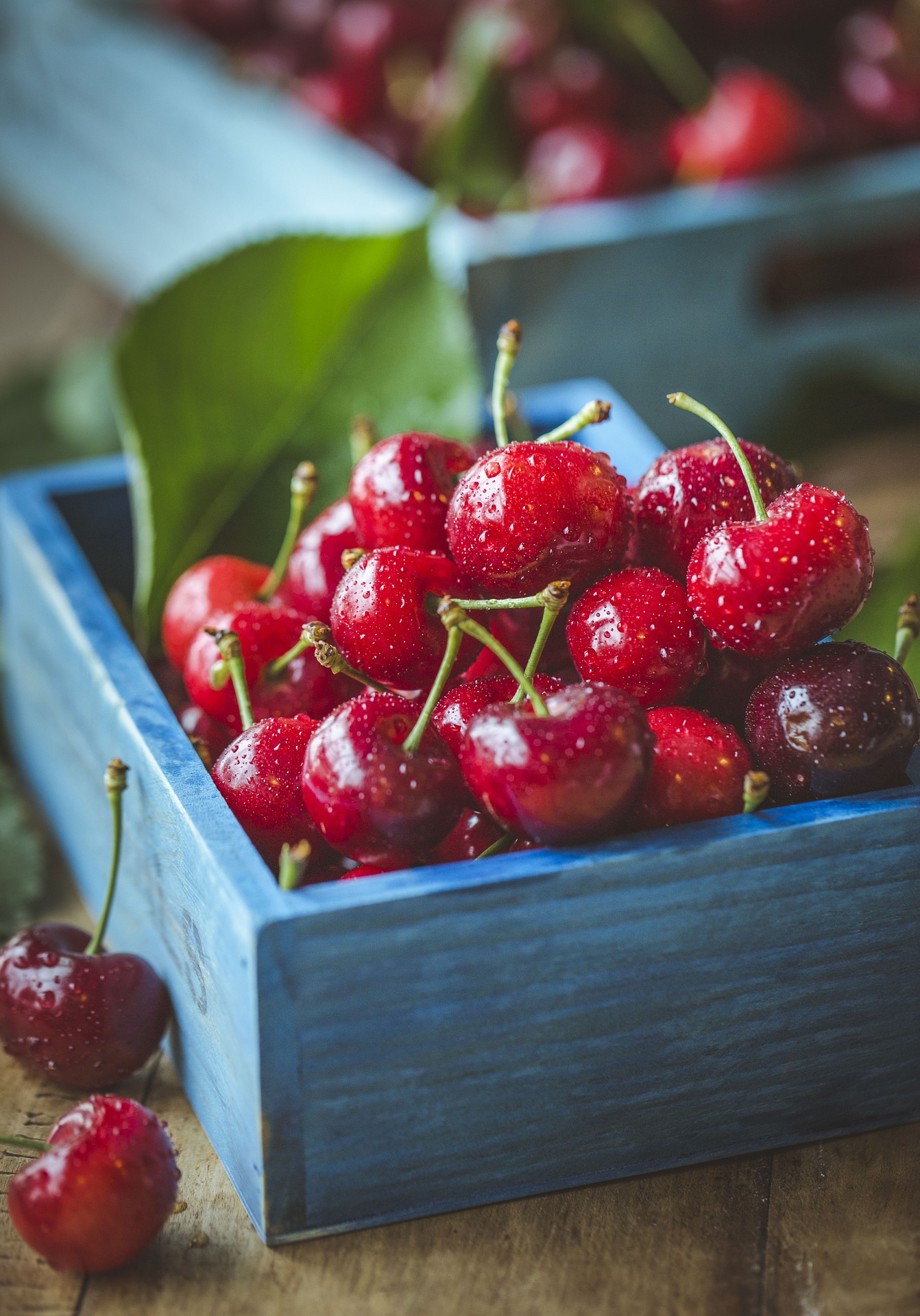
Eating a lot of fruits and vegetables has been clinically proven to boost recovery by attenuating creatine kinase activity post-workout. Specifically, eating lots of spinach and possibly other high nitrate leafies (arugula, beets) and dark berries (and juices from tart cherries and purple grapes) blunts delayed onset muscle soreness dramatically enough that it supports that anecdotal plant-based athlete claim that hard training is possible sooner after a demanding workout.
While a quick recovery is great, the benefits of eating dark leafy greens and berries comes with a broad host of health and athletic benefits. For one, time to exhaustion is prolonged and strength is enhanced. All this, plus the anti-inflammatory and disease- fighting properties attributed to high levels of phytonutrients, vitamins, minerals, and fiber, make dark leafy greens and berries an essential tool for athletes.
Here is a quick list of how a Vegan Whole Food Plant Based (VWFPB) diet, rich in fruits, vegetables, whole grains, legumes, starches, and some seeds and nuts, will help you achieve better athletic performance.
Antioxidant power – Strenuous exercise elevates oxygen metabolism, and unfortunately as a byproduct, free radicals. Antioxidants are needed to counter free radicals. Though exercise enhances our body’s ability to produce antioxidants leading to positive adaptions, a diet rich in antioxidants helps mitigate the oxidative stress induced by too much strenuous exercise. So eat spinach, dark leafy greens, broccoli, cherries, berries, and citrus. Drink hibiscus and green teas.
Increased arterial function – Eating animal foods and fatty processed foods high in saturated and poly-unsaturated fats impairs arterial function for hours after consumption. With the omission of these offending foods, arterial function is optimized and circulation is improved. This means more oxygen-rich blood delivered unhindered to muscles doing hard work.
Nitrates – Consuming vegetables high in nitrates improves athletic performance. Basically, your body can do more with less oxygen. This increases endurance. Eat beets, dark leafy greens like spinach and arugula, celery, fennel seeds, and other high nitrate foods. Article Link
Anti-Inflammation – Though most vegetables and fruits have some anti-inflammatory properties, there are some that have been studied and reported on more readily in an attempt to create new supplements. However, science shows us again and again that whole foods trump the extracted single-component when it comes to promoting health benefits. Some new discoveries: Ginger has been shown to work better than NSAIDS in post-exercise soreness. The various pigments in turmeric help reduce inflammation. Purple potatoes and cherries also contain beneficial anti-inflammatory properties. Consuming at least four servings of legumes a week has shown to dramatically decrease c-reactive protein levels (a marker for inflammation) in the blood after several weeks.
So load up on fruits and vegetables, whole grains, legumes, nuts and seeds, and skip the oils, meats, dairy, and eggs.
Maybe the meat (beef, chicken, pork) industry could find a way to add in a cocktail of cholesterol-lowering, cancer-suppressing, and anti-obesity drugs (and, for that matter, throw something emission-reducing into the mix to save the planet) into their meat so that you can hedge and feel super while you enjoy your ribs and bacon.
Years ago before I ran my second marathon, I read several books by Dr. Joel Furhman. The two that I always keep going back to are his Super Immunity and Fasting and Eating for Health. A therapeutic fast with all of the associated health benefits (improved insulin resistance, decrease in inflammation, internal repair, improved digestion, decrease in cancer cell proliferation, autophagy, among many more) and the opportunity for emotional and spiritual introspection has been an appealing idea for me.
I was running a lot and to support that, fueling a lot, and my body and knees have always been temperamental. Different modes of bodywork help but fasting seemed like it would be a calm and grounding alternative. Logistically, with a busy life, it is difficult to allot a week without inconveniencing my family rhythm. Nevertheless, a few weeks ago I heard Jay Ferruggia interview Dr. Zach Bush and was reminded how fasting can improve your performance so… I had a low-key week off and tried a five day water fast.
Day 1
179.8 (though I haven’t weighed in for a while, I usually eight in at 177ish but feel like this may be high after having a slightly looser and higher in sodium bit of food yesterday)
First day was basically boring. My day seems to revolve around food thought, planning, and cooking. It may be a long 5 days.
Day 2
178.0
Both days 1 and 2 were not very productive. It’s amazing how much food punctuates and structures my day. And, how much I think of nutrition and cooking… I’ve been a bit listless but am treating the time as rest and recovery from constant exercise and fueling…
Took my boys to watch a movie and was overwhelmed by the smells of junk food. I didn’t cave but did buy them popcorn and watched them stuff their little faces.
Day 3
173.4
Last night was the first night where sleep was a bit erratic. I’ve been reading Joel Furhman’s Fasting and Eating for Health about what to eat to break the fast and the thought of an orange or watermelon followed with lettuce and steamed zucchini or potatoes sounds fantastic. It doesn’t help to have a fascination with cookbooks so I made it a point to hold off perusing them and that I would just cook one of my standard feed the kids dinners.
Went for a fast walk/hike for about 60 minutes. Felt good. Especially towards the end. Despite having gloves on, fingers have been getting cold more than usual.
Day 4
169.4
Had a difficult time sleeping last night and woke to find my alarm hadn’t gone off. Rushed around to get my son to school but still managed to make him wholegrain pancakes and a berry smoothie. Still thinking about food but the ‘clear-headedness’ has set in and it makes it easier to see food more objectively. Notice that I am constantly asking myself how I feel and will try to focus a bit on the ‘outer’ world by going to some SF museums with my younger son who is on break.
Day 5!
166.8
It’s here! Day 5! Half excited about breaking the fast, half excited to see what another few days yield…Difficulty sleeping last night because I went to bed early and had a bit of a headache. Woke up feeling better and am thinking of breaking the fast tonight at 120 hours (8 pm) with a bit of vegetable juice and bone broth….or just waiting until tomorrow if I feel good throughout the day.
Practiced a lot today and felt super productive.
I actually do not feel like breaking the fast but given the baby steps recommended for breaking a fast I thought it better to start the process. Around hour 120 I drank diluted vegetable and carrot juice and then an hour or so later some bone-broth. Fast broken.
Day After
Slept well and am going on a long walk. Feel great. Had more diluted carrot and vegetable juice and one amazingly flavorful banana. Over the next day or so, I’ll have more fresh fruit, romaine lettuce, and other vegetables, more broth, and maybe some steamed potatoes and more veggies. Tomorrow I’m planning on making a plain kitchari.
Lessons Learned
Plan on not having a plan. Let your emotional state guide you. You might feel like taking walks, you might not, you might feel like being around other people, you might not. Give yourself permission to listen to your body.
If possible, stay away from food. I cooked breakfasts for my boys before school, made dinner, and went to two movies where the smell of popcorn was overwhelming. If less will power is involved it may be better.
Enjoy the fact that you are healing internally and that ou are giving your body a long and necessary rest.
If you are caffeine-dependent, ease off a few weeks before you do your fast. I love coffee but weaned myself off and it seemed like the headaches and withdrawal symptoms most experience at the beginning of a fast didn’t hit me.
Clean up your diet months in advance. Avoid sugar, processed food, alcohol, and animal products. Stick with lots of fruit and vegetables, well-prepared legumes, starches, and whole grains, some nuts and seeds.
Meditation helps. I did about 30-40 minutes of simple breathing each day.
What would I do differently next time?
I would probably try to go for 10-12 days. On day 5 I felt close to wonderful and I wanted to enjoy exactly that state for several more days.
Maybe try to do it in the summer. My body felt colder than usual.
Avoid bone broth now that I know that animals store toxins in their bones and bone broth hype is hype.
Hope this helps all of you on a quest for better health!









 Rabbit Hole Runner