Navigating an SOS Whole Food Plant Based Diet with Endurance Training

From last spring:

I just ran the Napa Marathon last Sunday. I had a great first half, everything according to plan, despite the 34º at the start line with a constant drizzle. Around mile 16, there were a few signs that my body was not happy in a way I had not experienced before. Muscles around my hips were on the edge of cramping, and calves started to lightly cramp. By mile 18, I had to stop and stretch. It basically got worse until I was run-walking for the last four miles. A cramp suffer fest.

I worked hard during training and broke through many plateaus, both physically and mentally. I missed one workout in the 20-week cycle. Despite this, things can go wrong or not as planned. What happened? I’m putting my money on the fact that I was seriously sodium depleted. What would I do differently for the next marathon and training cycle?

Do better with electrolyte/sodium replacement throughout the training cycle. I majorly fucked this up. I noticed that I was peeing a lot during the last three weeks; it was taking a lot more effort to hit target times; my legs were sluggish; my calves muscles were unusually twitchy and active; and now that I am writing this, I believe they were signs that my body was trying hard to balance my low sodium levels with a diet that is naturally water rich (fruits, vegetables, whole grains, legumes). Though the science points to the health of low-sodium diets, when you deplete yourself through exercise several times a week for month after month and follow the healthiest diet on the planet, your sodium levels may suffer.

So I went in to the race depleted*, and it just got worse—cramps/shitty end. A big mistake that could have been really bad. Thankfully, it was remedied when I went for physical treatment for my calf cramps. By looking at the hyper-electric shitshow my calves were doing, the medic said that he saw this in summer races and that sodium depletion was the cause. A low-sodium diet and endurance running don’t mix well if you do not replace sodium after long or hard efforts lasting more than an hour, i.e., speed work and long runs, especially if you’re a salty sweater.

The medic fed me some soup and a “bolus” of an electrolyte drink with 1 TBSP of salt (6000 mg). He said he’d give me a bit more, but I’d probably throw it up. I sipped it while he worked on my legs. I started feeling better, and the cramps and calves started calming down within 15 minutes. I’ve read a lot since then, and there is a lot of controversy about electrolytes/sodium and endurance. But it seems like the most plausible explanation for my disappointing last 8 miles. I’m a salty sweater, and on long bouts you can lose more sodium than you replace if you eat a sos whole-food plant-based diet.

So, for now, salt stick caps are back in my running bag for the next one.

My A plan didn’t work out this time. My coach said it was always wise to have a B plan. I had one: finish.

But I know I can do it better.


End note: Maybe sodium depletion really played a significant role, but I discovered a few weeks after the marathon that the gels I was using were deceptively labeled, which could explain, or at least partly explain, my gradual training decline and depletion. It turns out that when I thought I was ingesting 45g of carbohydrates in a 180 kcal gel, after lab analysis it was 18g of carbohydrates in a 75 kcal gel. I should have been consuming 3 vs. 1 to properly fuel my long and challenging workouts.


To learn more about the science behind a whole-food plant-based diet while supporting our website, earn a nutrition certificate from Cornell’s Center for Nutrition Studies. Or scan the QR code below.


This image has an empty alt attribute; its file name is qr-code.png

Make ANDI and ORAC Your Friends to Resolve Chronic Health Issues

There are several ways to rate the nutritional content of whole foods; each system focuses on specific attributes like nutrient density, calorie and antioxidant content, or health impacts. As you can see from the charts below, there is a lot of overlap in these systems when it comes to the healthiest whole foods.

Aggregate Nutrient Density Index (ANDI)

Rates foods based on their nutrient density per calorie and assigns scores based on the presence of vitamins, minerals, antioxidants, and phytochemicals relative to calorie content.

CategoryTop Foods
FruitsStrawberries, Blackberries, Plums, Raspberries, Blueberries, Oranges, Grapefruit, Cherries, Pomegranate, Papaya
VegetablesKale, Collard greens, Mustard greens, Watercress, Spinach, Arugula, Bok choy, Swiss chard, Romaine lettuce, Brussels sprouts
LegumesLentils, Chickpeas, Black beans, Pinto beans, Kidney beans, Navy beans, Green peas, Edamame, Mung beans, Soybeans
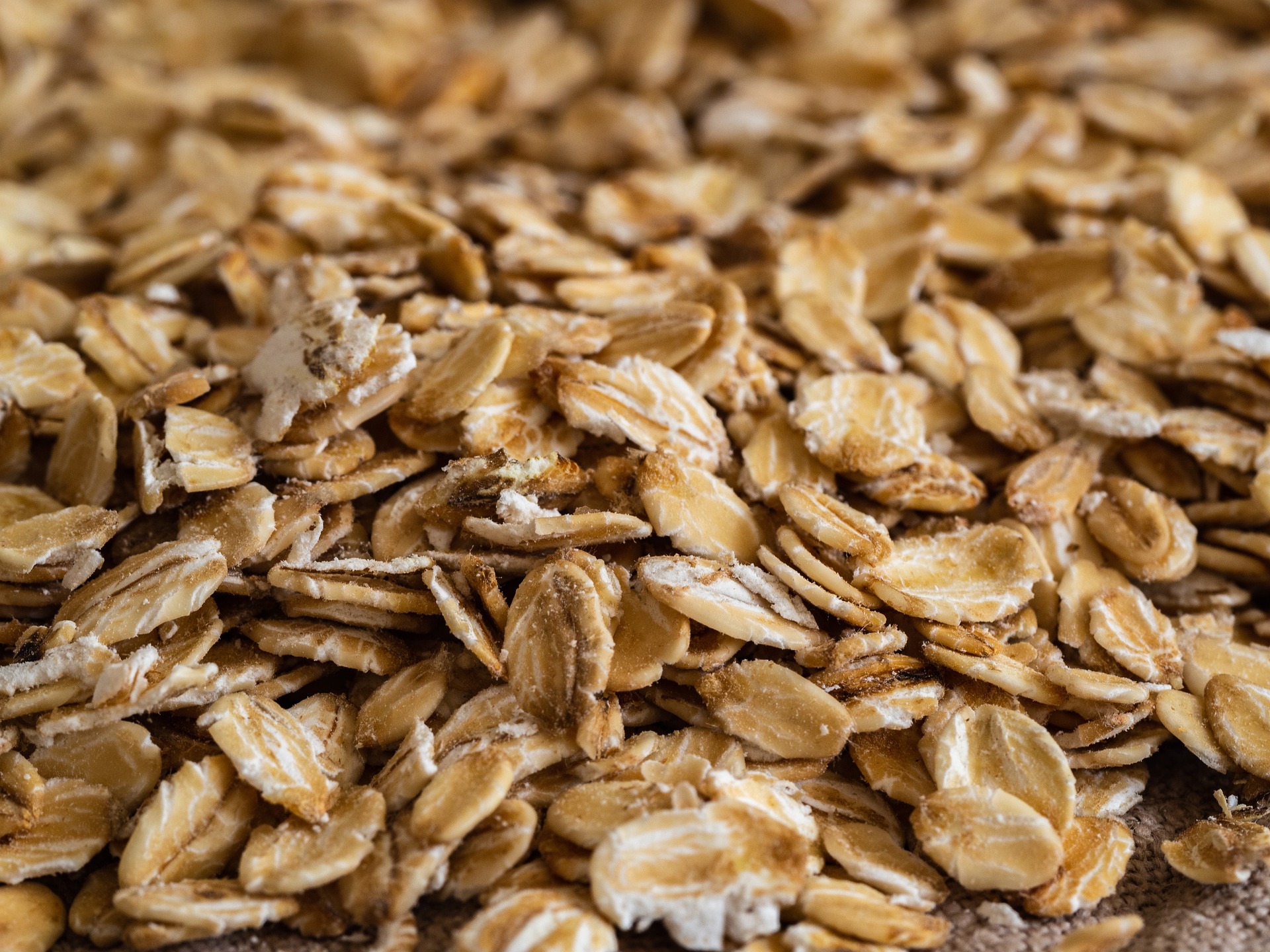
Whole GrainsQuinoa, Amaranth, Buckwheat, Barley, Brown rice, Millet, Oats, Rye, Bulgur, Farro

Nutrient Rich Foods Index (NRF)

Scores foods based on the amount of beneficial nutrients (e.g., protein, fiber, vitamins) minus problematic components (e.g., added sugars, saturated fat).

CategoryTop Foods
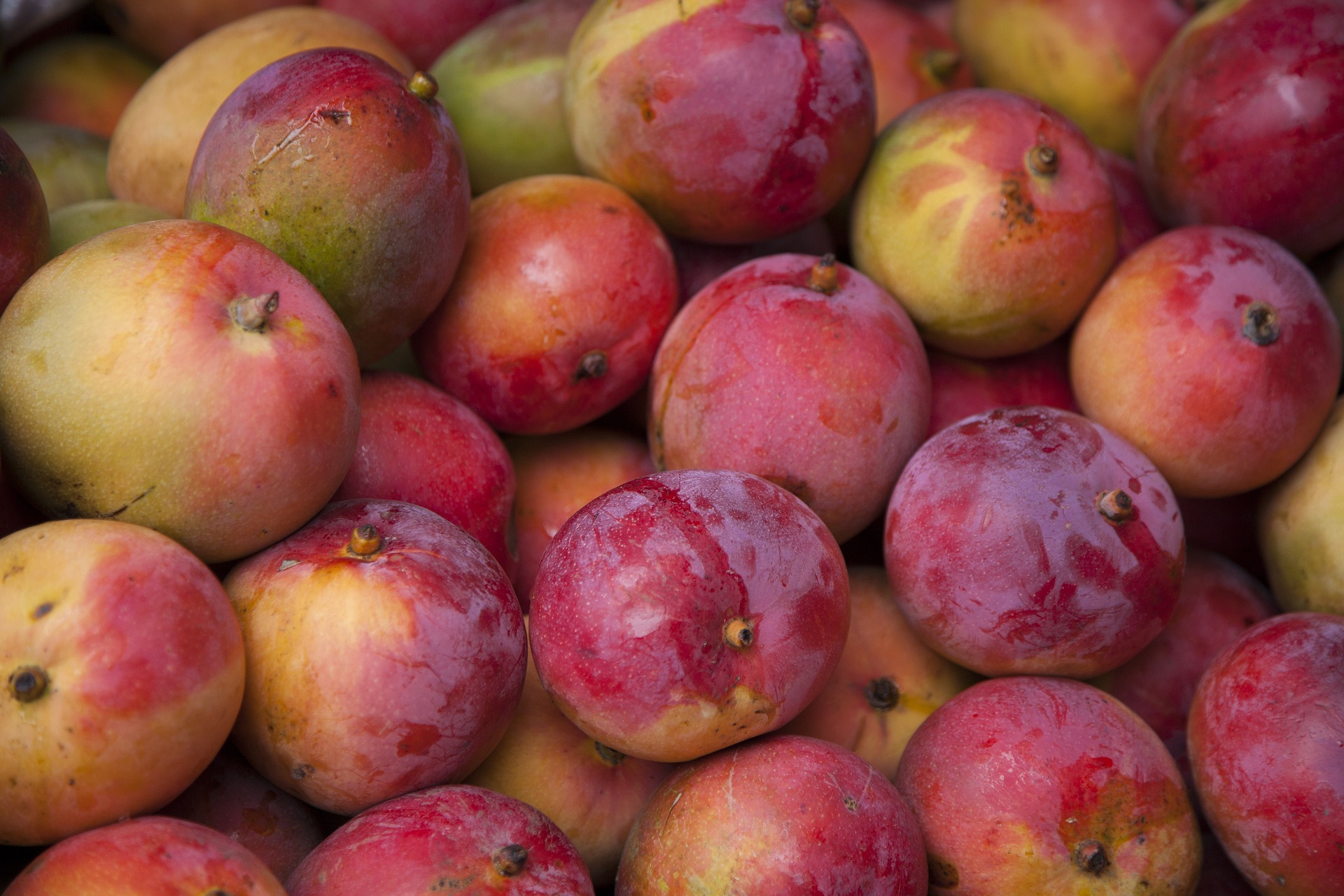
FruitsBlueberries, Kiwi, Guava, Strawberries, Oranges, Bananas, Pineapple, Mango, Apples, Papaya
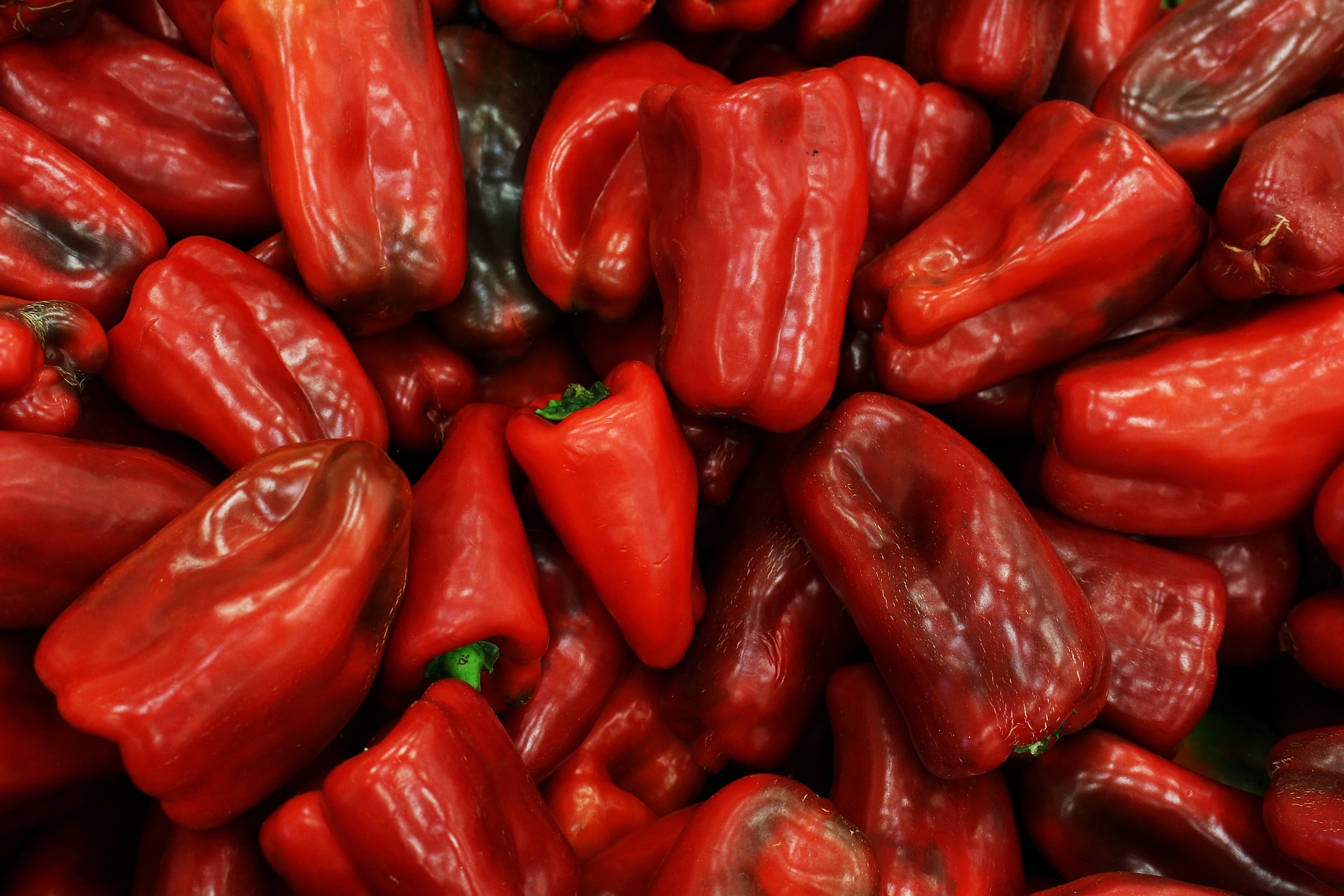
VegetablesBroccoli, Sweet potatoes, Red bell peppers, Spinach, Tomatoes, Carrots, Asparagus, Cauliflower, Zucchini, Beets
LegumesBlack beans, Lentils, Chickpeas, Soybeans, Split peas, Red beans, Green lentils, Navy beans, Black-eyed peas, Adzuki beans
Whole GrainsOats, Brown rice, Quinoa, Farro, Buckwheat, Bulgur, Barley, Amaranth, Whole wheat, Teff

Oxygen Radical Absorbance Capacity (ORAC)

Measures the antioxidant capacity of foods, indicating their ability to neutralize free radicals.

CategoryTop Foods
FruitsPrunes, Blueberries, Blackberries, Strawberries, Cranberries, Apples (Granny Smith), Pomegranates, Plums, Raspberries, Oranges
VegetablesArtichokes, Spinach, Kale, Red cabbage, Beets, Bell peppers, Broccoli, Sweet potatoes, Onions, Eggplant
LegumesRed kidney beans, Pinto beans, Black beans, Lentils, Soybeans, Chickpeas, Green peas, Fava beans, Navy beans, Mung beans
Whole GrainsSorghum, Millet, Oats, Barley, Wild rice, Quinoa, Farro, Whole wheat, Rye, Teff

Food Compass

Scores foods from 0 to 100 based on 9 domains of nutrition (e.g., vitamins, processing level, bioactives).

CategoryTop Foods
FruitsBlueberries, Blackberries, Raspberries, Kiwi, Oranges, Apples, Bananas, Mangoes, Papayas, Grapefruit
VegetablesSpinach, Kale, Swiss chard, Broccoli, Carrots, Cauliflower, Green beans, Bell peppers, Mushrooms, Asparagus
LegumesLentils, Chickpeas, Black beans, Soybeans, Green peas, Pinto beans, Adzuki beans, Navy beans, Mung beans, Split peas
Whole GrainsOats, Quinoa, Brown rice, Barley, Bulgur, Amaranth, Buckwheat, Rye, Millet, Teff

While each system has its strengths and limitations, combining insights from these approaches can provide a well-rounded perspective on the nutritional value of whole foods and why a whole-food plant-based diet is so effective at resolving chronic health conditions.

Here’s what you might expect if you centered your diet around these foods:

1. Improved Nutrient Intake

These foods are rich in vitamins, minerals, antioxidants, fiber, and essential nutrients, which can support optimal bodily functions, including immune health, energy production, and cellular repair. Diets rich in fruits and vegetables have been shown to reduce the risk of nutrient deficiencies and provide critical antioxidants, such as vitamin C and polyphenols, which fight oxidative stress​.

2. Reduced Risk of Chronic Diseases

Increased intake of leafy greens, berries, and legumes can lower LDL cholesterol and blood pressure​ and improve cardiovascular health. Cruciferous vegetables like kale and broccoli contain glucosinolates, compounds linked to lower cancer risk​. Whole grains and legumes can improve insulin sensitivity and lower the risk of type 2 diabetes​.

3. Weight Management

Foods with high nutrient density but low caloric density (like leafy greens, fruits, and legumes) can help with weight loss or maintenance by increasing satiety without excess calories. Studies show diets high in fiber promote fullness and reduce overall calorie intake​.

4. Enhanced Longevity

High-antioxidant foods, such as berries and cruciferous vegetables, inhibit oxidative damage and inflammation, processes linked to aging and chronic diseases. The inclusion of whole grains and legumes in diets like the Mediterranean or Blue Zone diets has been associated with extended lifespan.

5. Gut Health

Legumes, whole grains, and vegetables are rich in fiber and prebiotics, which support gut health and microbial diversity. A healthy gut microbiome is crucial for digestion, immunity, and mood regulation.


To learn more about the science behind a whole-food plant-based diet while supporting our website, earn a nutrition certificate from Cornell’s Center for Nutrition Studies. Or scan the QR code below.

This image has an empty alt attribute; its file name is qr-code.png