Make ANDI and ORAC Your Friends to Resolve Chronic Health Issues

There are several ways to rate the nutritional content of whole foods; each system focuses on specific attributes like nutrient density, calorie and antioxidant content, or health impacts. As you can see from the charts below, there is a lot of overlap in these systems when it comes to the healthiest whole foods.

Aggregate Nutrient Density Index (ANDI)

Rates foods based on their nutrient density per calorie and assigns scores based on the presence of vitamins, minerals, antioxidants, and phytochemicals relative to calorie content.

CategoryTop Foods
FruitsStrawberries, Blackberries, Plums, Raspberries, Blueberries, Oranges, Grapefruit, Cherries, Pomegranate, Papaya
VegetablesKale, Collard greens, Mustard greens, Watercress, Spinach, Arugula, Bok choy, Swiss chard, Romaine lettuce, Brussels sprouts
LegumesLentils, Chickpeas, Black beans, Pinto beans, Kidney beans, Navy beans, Green peas, Edamame, Mung beans, Soybeans
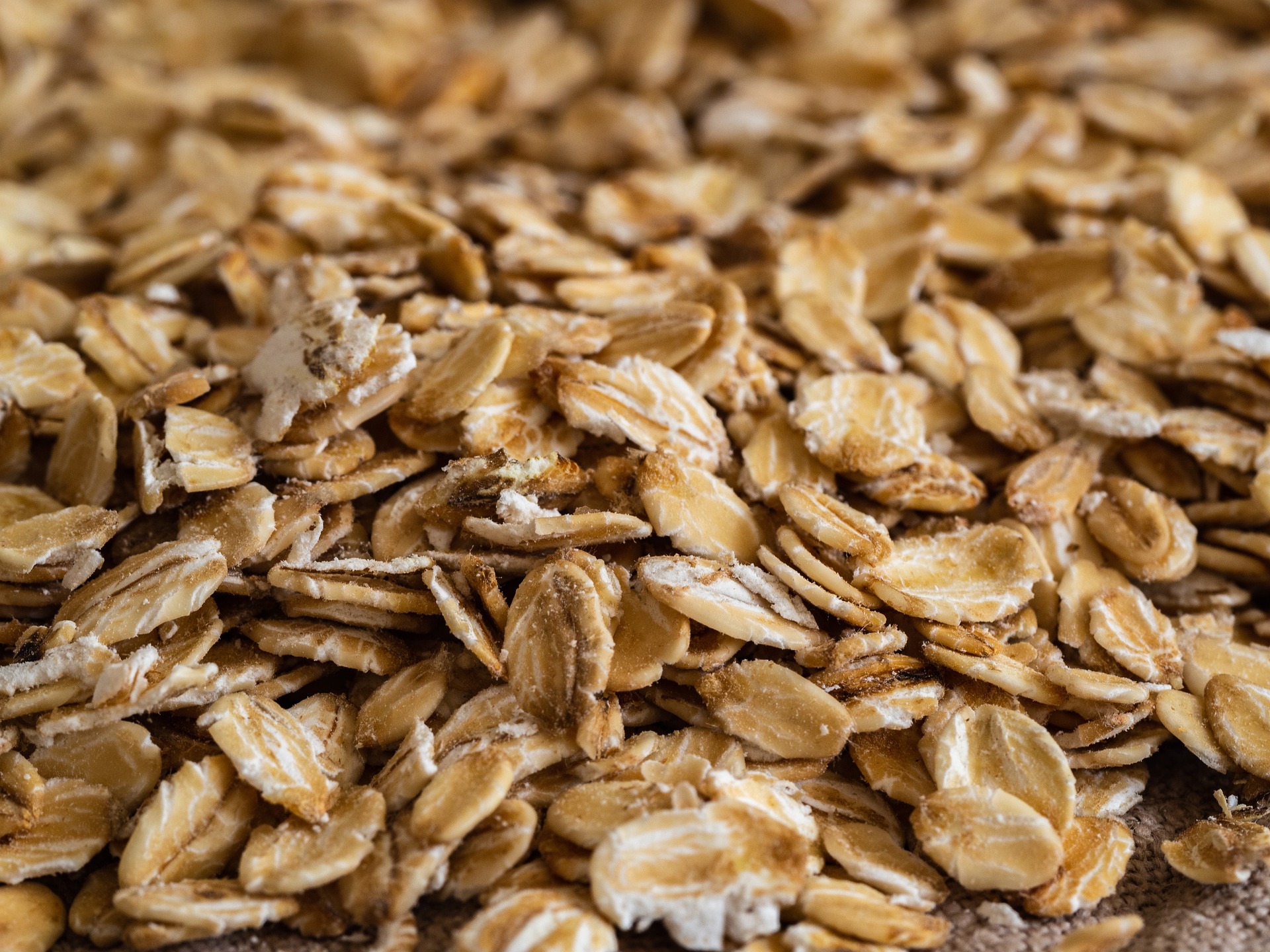
Whole GrainsQuinoa, Amaranth, Buckwheat, Barley, Brown rice, Millet, Oats, Rye, Bulgur, Farro

Nutrient Rich Foods Index (NRF)

Scores foods based on the amount of beneficial nutrients (e.g., protein, fiber, vitamins) minus problematic components (e.g., added sugars, saturated fat).

CategoryTop Foods
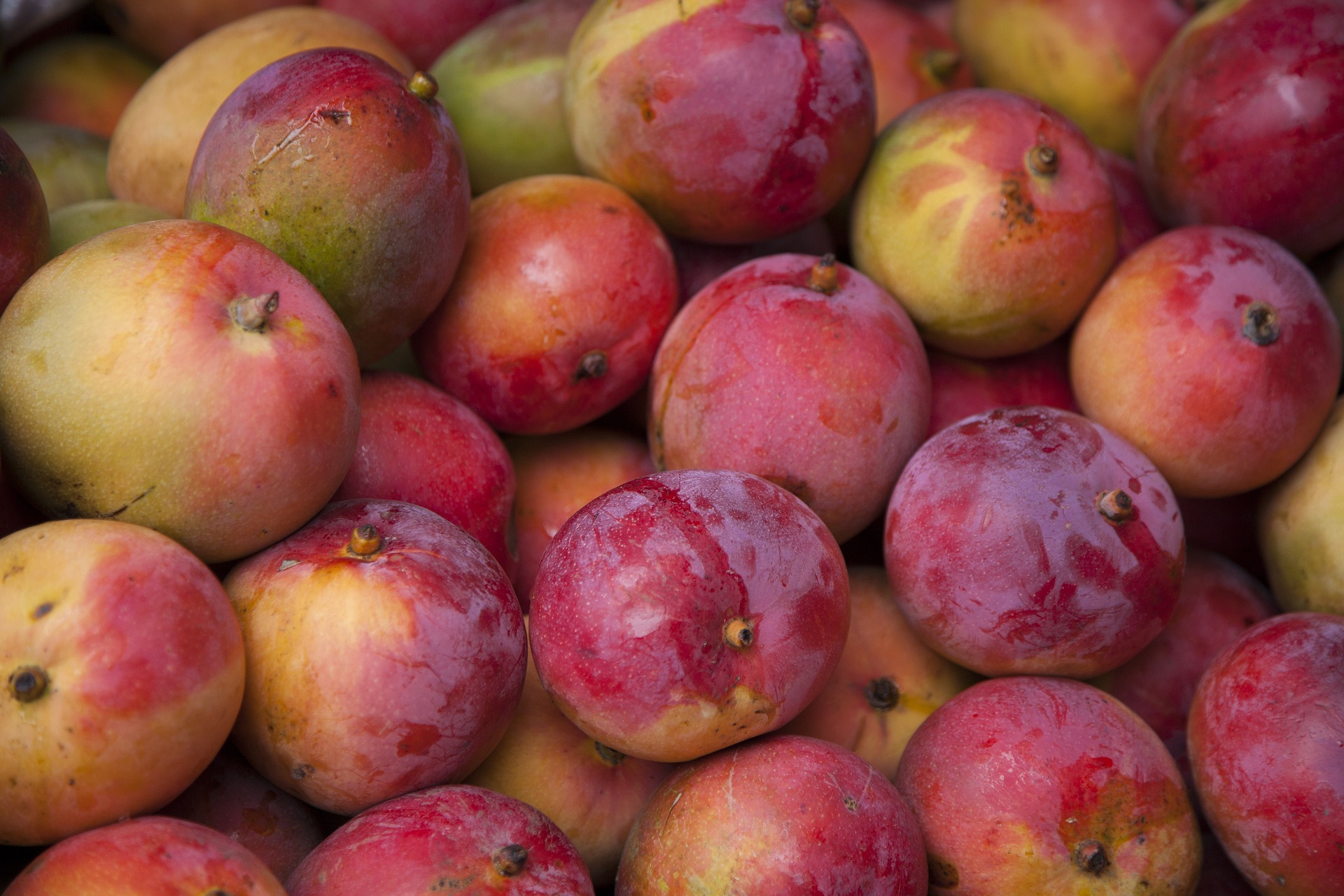
FruitsBlueberries, Kiwi, Guava, Strawberries, Oranges, Bananas, Pineapple, Mango, Apples, Papaya
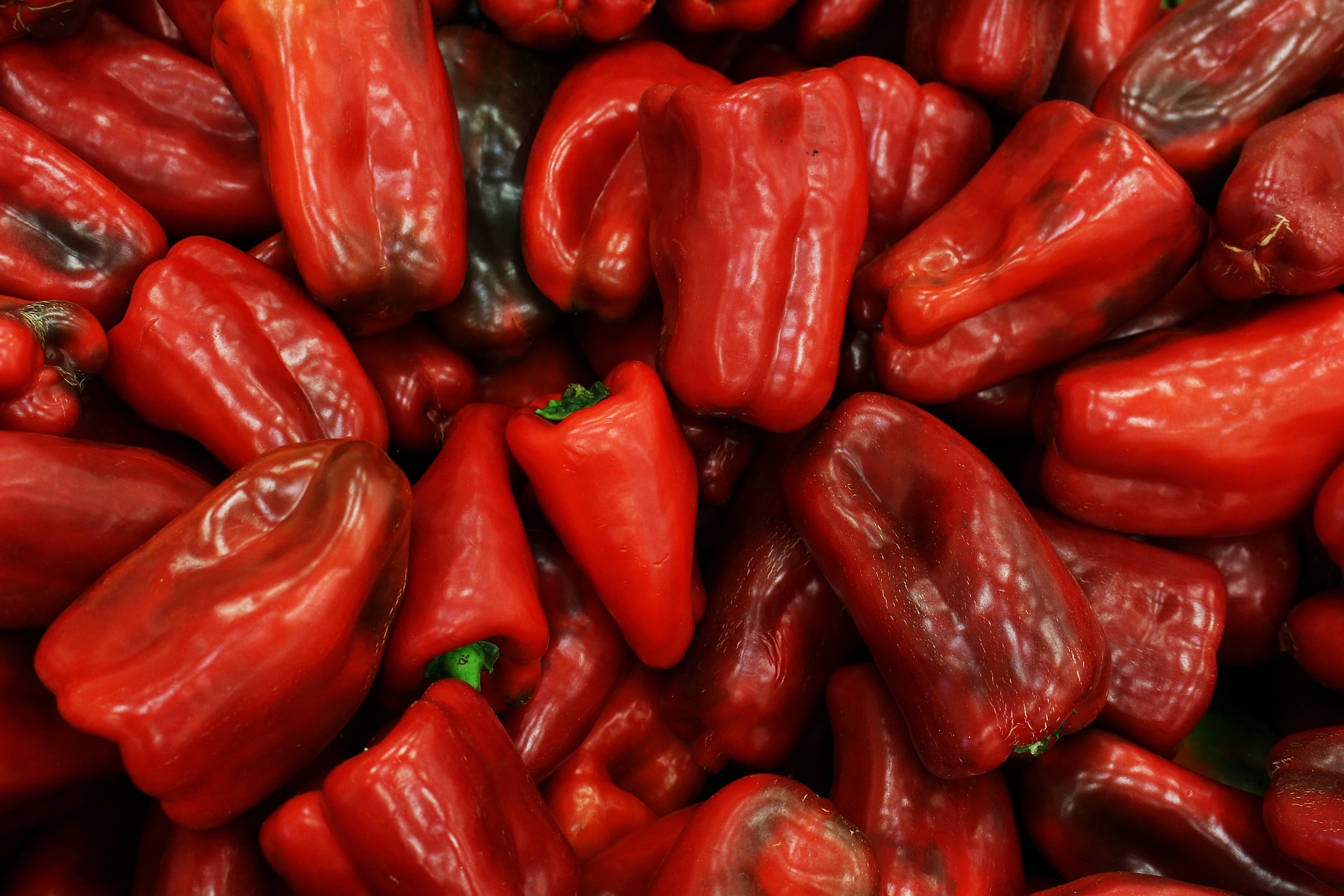
VegetablesBroccoli, Sweet potatoes, Red bell peppers, Spinach, Tomatoes, Carrots, Asparagus, Cauliflower, Zucchini, Beets
LegumesBlack beans, Lentils, Chickpeas, Soybeans, Split peas, Red beans, Green lentils, Navy beans, Black-eyed peas, Adzuki beans
Whole GrainsOats, Brown rice, Quinoa, Farro, Buckwheat, Bulgur, Barley, Amaranth, Whole wheat, Teff

Oxygen Radical Absorbance Capacity (ORAC)

Measures the antioxidant capacity of foods, indicating their ability to neutralize free radicals.

CategoryTop Foods
FruitsPrunes, Blueberries, Blackberries, Strawberries, Cranberries, Apples (Granny Smith), Pomegranates, Plums, Raspberries, Oranges
VegetablesArtichokes, Spinach, Kale, Red cabbage, Beets, Bell peppers, Broccoli, Sweet potatoes, Onions, Eggplant
LegumesRed kidney beans, Pinto beans, Black beans, Lentils, Soybeans, Chickpeas, Green peas, Fava beans, Navy beans, Mung beans
Whole GrainsSorghum, Millet, Oats, Barley, Wild rice, Quinoa, Farro, Whole wheat, Rye, Teff

Food Compass

Scores foods from 0 to 100 based on 9 domains of nutrition (e.g., vitamins, processing level, bioactives).

CategoryTop Foods
FruitsBlueberries, Blackberries, Raspberries, Kiwi, Oranges, Apples, Bananas, Mangoes, Papayas, Grapefruit
VegetablesSpinach, Kale, Swiss chard, Broccoli, Carrots, Cauliflower, Green beans, Bell peppers, Mushrooms, Asparagus
LegumesLentils, Chickpeas, Black beans, Soybeans, Green peas, Pinto beans, Adzuki beans, Navy beans, Mung beans, Split peas
Whole GrainsOats, Quinoa, Brown rice, Barley, Bulgur, Amaranth, Buckwheat, Rye, Millet, Teff

While each system has its strengths and limitations, combining insights from these approaches can provide a well-rounded perspective on the nutritional value of whole foods and why a whole-food plant-based diet is so effective at resolving chronic health conditions.

Here’s what you might expect if you centered your diet around these foods:

1. Improved Nutrient Intake

These foods are rich in vitamins, minerals, antioxidants, fiber, and essential nutrients, which can support optimal bodily functions, including immune health, energy production, and cellular repair. Diets rich in fruits and vegetables have been shown to reduce the risk of nutrient deficiencies and provide critical antioxidants, such as vitamin C and polyphenols, which fight oxidative stress​.

2. Reduced Risk of Chronic Diseases

Increased intake of leafy greens, berries, and legumes can lower LDL cholesterol and blood pressure​ and improve cardiovascular health. Cruciferous vegetables like kale and broccoli contain glucosinolates, compounds linked to lower cancer risk​. Whole grains and legumes can improve insulin sensitivity and lower the risk of type 2 diabetes​.

3. Weight Management

Foods with high nutrient density but low caloric density (like leafy greens, fruits, and legumes) can help with weight loss or maintenance by increasing satiety without excess calories. Studies show diets high in fiber promote fullness and reduce overall calorie intake​.

4. Enhanced Longevity

High-antioxidant foods, such as berries and cruciferous vegetables, inhibit oxidative damage and inflammation, processes linked to aging and chronic diseases. The inclusion of whole grains and legumes in diets like the Mediterranean or Blue Zone diets has been associated with extended lifespan.

5. Gut Health

Legumes, whole grains, and vegetables are rich in fiber and prebiotics, which support gut health and microbial diversity. A healthy gut microbiome is crucial for digestion, immunity, and mood regulation.


To learn more about the science behind a whole-food plant-based diet while supporting our website, earn a nutrition certificate from Cornell’s Center for Nutrition Studies. Or scan the QR code below.

This image has an empty alt attribute; its file name is qr-code.png

15 of the Best Whole Food Plant Based Cookbooks

One of the obstacles to succeeding on a whole food plant based diet is the mistaken thought that you cannot have yummy without old school staples like butter and eggs. Well, there are lots of great cookbooks to draw on for that occasional indulgence that are still healthy and won’t fill you with toxins, animal hormones, saturated fat, excess protein, and all of the baggage of consuming animal products. Plus for the planet, too! Here is a great list to explore:

  1. “The China Study Cookbook” by LeAnne Campbell – A cookbook featuring over 120 whole food plant-based recipes based on the research from “The China Study.”
  2. “Forks Over Knives: The Cookbook” by Del Sroufe – A cookbook featuring over 300 whole food plant-based recipes inspired by the documentary “Forks Over Knives.”
  3. “Oh She Glows” by Angela Liddon – A cookbook featuring over 100 plant-based recipes that are both healthy and indulgent.
  4. “Thug Kitchen” by Thug Kitchen LLC – A cookbook featuring over 100 vegan recipes with a humorous and irreverent tone.
  5. Minimalist Baker’s Everyday Cooking” by Dana Shultz – A cookbook featuring over 100 plant-based recipes that can be made in 30 minutes or less.
  6. “Isa Does It” by Isa Chandra Moskowitz – A cookbook featuring over 150 plant-based recipes that are simple and easy to prepare.
  7. “The Happy Herbivore Cookbook” by Lindsay S. Nixon – A cookbook featuring over 175 low-fat, whole food plant-based recipes that are easy to prepare.
  8. “Veganomicon” by Isa Chandra Moskowitz and Terry Hope Romero – A cookbook featuring over 250 vegan recipes that are both flavorful and nutritious.
  9. “The Plant-Based Diet for Beginners” by Gabriel Miller – A beginner-friendly cookbook featuring over 100 plant-based recipes and helpful tips for transitioning to a plant-based diet.
  10. “Power Plates” by Gena Hamshaw – A cookbook featuring over 100 plant-based recipes that focus on whole grains, vegetables, and legumes.
  11. “The Engine 2 Diet” by Rip Esselstyn – A cookbook featuring over 130 plant-based recipes designed to improve heart health and promote weight loss.
  12. “The Happy Pear: Recipes for Happiness” by David and Stephen Flynn – A cookbook featuring over 100 plant-based recipes that are wholesome and delicious.
  13. “Chloe’s Kitchen” by Chloe Coscarelli – A cookbook featuring over 125 vegan recipes, including many comfort food favorites.
  14. “The Mediterranean Vegan Kitchen” by Donna Klein – A cookbook featuring over 225 vegan recipes inspired by the Mediterranean diet.
  15. Straight Up Food: Delicious and Easy Plant-based Cooking without Salt, Oil or Sugar by Cathy Fisher – Easy peezy and quick recipes. Super clean. My go to for family meals.

12 Fun Facts about Red Meat

by Leonardo Garcia © 2021

As evidence rolls in for the health benefits of adopting a whole food plant-based diet (fruits, vegetables, whole grains, legumes, nuts and seeds), the case for dropping animal products (meat, poultry, fish, dairy, and eggs) from our diets becomes compelling. Science continues to tease out the numerous mechanisms as to why the consumption of animal products is unhealthful and disease-promoting. Whether it is from saturated fat, cholesterol, TMAO, heme iron, nitrosamines, hormonal contamination, bacterial contamination, or the way each of these factors interact as a whole with our biology, the public gets mixed information due to roadblocks set up by aggressive marketing, lobbying campaigns, industry funded “science”, and, in some cases, the FDA, much in the way the tobacco industries attempted to cloud the relationship between smoking and lung cancer decades ago. Now, smoking has taken second place to poor diet in the leading cause of disease. Here are some facts about meat consumption to consider before your next meal.

  1. The International Agency for Research on Cancer (IARC) lists the consumption of red and processed meats as carcinogenic.
  2. Red meat contains many harmful compounds in addition to saturated fat that include arachidonic acid (highly inflammatory omega 6 fatty acid), methionine (promotes cancer growth), trans-fatty acids (aka “trans-fats”), endogenous hormones like IGF-1 (promotes tumor growth), exogenous hormonal growth promoters, antibiotics, man-made contaminants (fertilizers, pcbs, pesticides), and formaldehyde, among others.
  3. Red meat contains bovine pathogens such as E. Coli and bovine spongiform encephalopathy which can lead to serious and life-threatening bacterial and viral infections.
  4. Steroid hormones in meat and dairy products are complicit in the risk factors for various cancers in humans.
  5. The digestion of meat raises Trimethylamine N-Oxide (TMAO) levels in blood dramatically. High TMAO blood levels are associated with cardiovascular disease, obesity, Alzheimer’s, and cancer. It is also associated with a dysfunctional microbiota.
  6. Controlled trials by Dr. Dean Ornish at the Preventative Medicine Research Institute led to an inverse relationship between health outcomes and the consumption of animal products (red meat, poultry, fish, eggs, and dairy).
  7. Reversal of coronary heart disease was achieved by eliminating meat, dairy, fish, and oil from patients’ diets during a clinical trial at the Cleveland Clinic by Dr. Caldwell Esselstyn.
  8. In metabolic ward studies, interventional studies, and randomized clinical trials, an increase in saturated fat from dietary sources (meat, dairy, eggs) led to an increase in LDL cholesterol. High LDL levels are a primary indicator of coronary heart disease.
  9. There is a strong correlation between diets high in dietary cholesterol (meat, eggs, dairy) and elevated risks of stomach, colon, rectum, pancreas, lung, breast, testicular, kidney, and bladder cancers.
  10. The water footprint of producing red meat is devastating our environment. It takes approximately 1800 gallons of water to produce 1 pound of beef (roughly 30 gallons/1 g of protein) whereas it takes approximately 500 gallons of water to produce 1 pound of chickpeas (roughly 5 gallons/1g of protein). A pound of potatoes only takes 34 gallons.
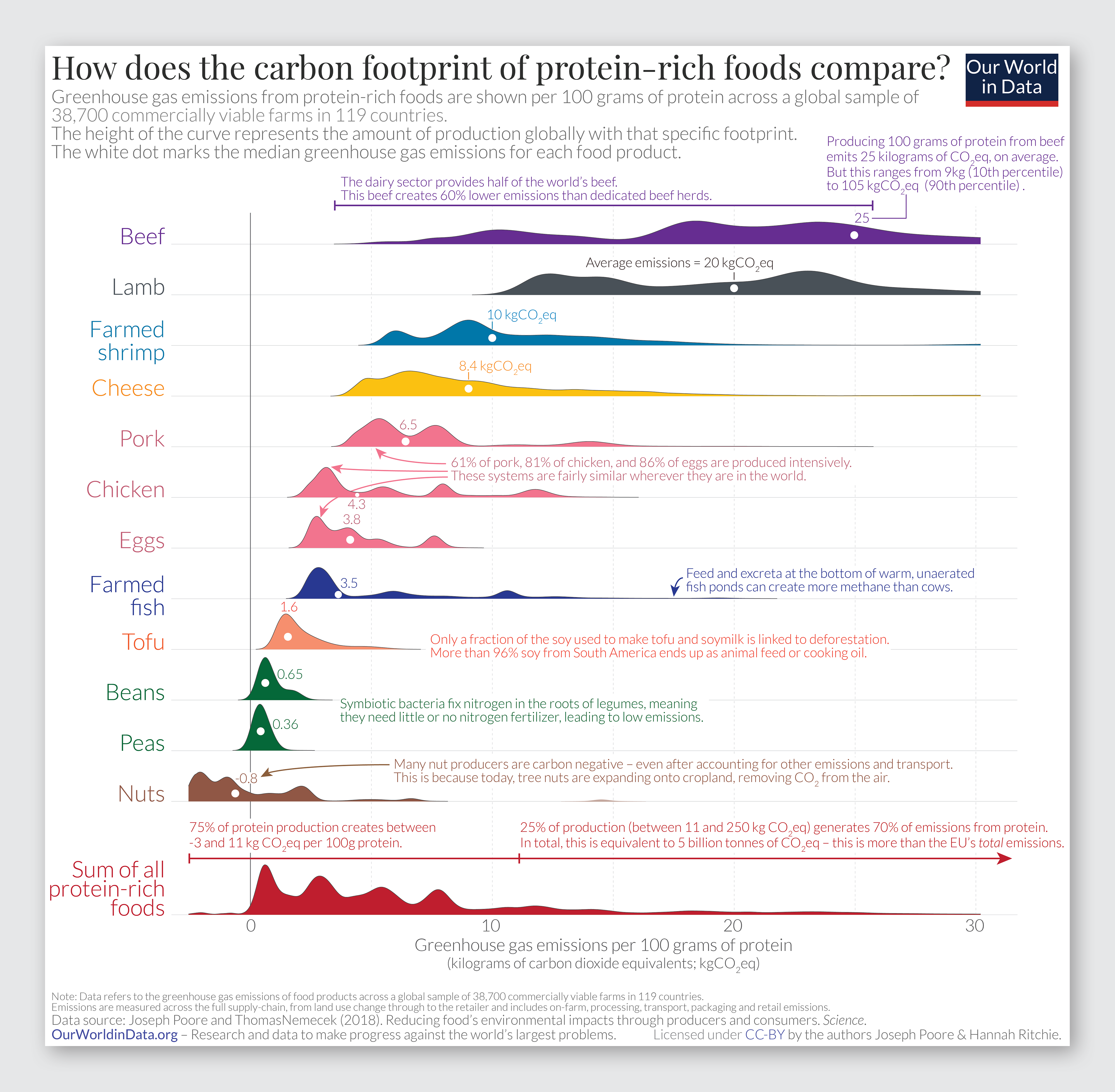
  11. The carbon footprint of beef is 25x more than that of beans and peas combined.
  12. Methane, a greenhouse gas and powerful driver of climate change, emissions from cattle has far more impact on global warming than previously thought.

The Beauty of a Vegan Whole Food Plant Based Diet for Athletes

Here is a quick list of how a Vegan Whole Food Plant Based (VWFPB) diet, rich in fruits, vegetables, whole grains, legumes, starches, and some seeds and nuts, will help you achieve better athletic performance.

Antioxidant power – Strenuous exercise elevates oxygen metabolism, and unfortunately as a byproduct, free radicals. Antioxidants are needed to counter free radicals. Though exercise enhances our body’s ability to produce antioxidants leading to positive adaptions, a diet rich in antioxidants helps mitigate the oxidative stress induced by too much strenuous exercise. So eat spinach, dark leafy greens, broccoli, cherries, berries, and citrus. Drink hibiscus and green teas.

spinach-1427360_1280.jpg

Increased arterial function – Eating animal foods and fatty processed foods high in saturated and poly-unsaturated fats impairs arterial function for hours after consumption. With the omission of these offending foods, arterial function is optimized and circulation is improved. This means more oxygen-rich blood delivered unhindered to muscles doing hard work.

Nitrates – Consuming vegetables high in nitrates improves athletic performance. Basically, your body can do more with less oxygen. This increases endurance. Eat beets, dark leafy greens like spinach and arugula, celery, fennel seeds, and other high nitrate foods.  Article Link

Recovery – Scott Jurek! Nutrition Facts article.

cherry-1534063_1920.jpg

Anti-Inflammation – Though most vegetables and fruits have some anti-inflammatory properties, there are some that have been studied and reported on more readily in an attempt to create new supplements. However, science shows us again and again that whole foods trump the extracted single-component when it comes to promoting health benefits. Some new discoveries: Ginger has been shown to work better than NSAIDS in post-exercise soreness. The various pigments in turmeric help reduce inflammation. Purple potatoes and cherries also contain beneficial anti-inflammatory properties. Consuming at least four servings of legumes a week has shown to dramatically decrease c-reactive protein levels (a marker for inflammation) in the blood after several weeks.

So load up on fruits and vegetables, whole grains, legumes, nuts and seeds, and skip the oils, meats, dairy, and eggs.