Navigating an SOS Whole Food Plant Based Diet with Endurance Training

From last spring:

I just ran the Napa Marathon last Sunday. I had a great first half, everything according to plan, despite the 34º at the start line with a constant drizzle. Around mile 16, there were a few signs that my body was not happy in a way I had not experienced before. Muscles around my hips were on the edge of cramping, and calves started to lightly cramp. By mile 18, I had to stop and stretch. It basically got worse until I was run-walking for the last four miles. A cramp suffer fest.

I worked hard during training and broke through many plateaus, both physically and mentally. I missed one workout in the 20-week cycle. Despite this, things can go wrong or not as planned. What happened? I’m putting my money on the fact that I was seriously sodium depleted. What would I do differently for the next marathon and training cycle?

Do better with electrolyte/sodium replacement throughout the training cycle. I majorly fucked this up. I noticed that I was peeing a lot during the last three weeks; it was taking a lot more effort to hit target times; my legs were sluggish; my calves muscles were unusually twitchy and active; and now that I am writing this, I believe they were signs that my body was trying hard to balance my low sodium levels with a diet that is naturally water rich (fruits, vegetables, whole grains, legumes). Though the science points to the health of low-sodium diets, when you deplete yourself through exercise several times a week for month after month and follow the healthiest diet on the planet, your sodium levels may suffer.

So I went in to the race depleted*, and it just got worse—cramps/shitty end. A big mistake that could have been really bad. Thankfully, it was remedied when I went for physical treatment for my calf cramps. By looking at the hyper-electric shitshow my calves were doing, the medic said that he saw this in summer races and that sodium depletion was the cause. A low-sodium diet and endurance running don’t mix well if you do not replace sodium after long or hard efforts lasting more than an hour, i.e., speed work and long runs, especially if you’re a salty sweater.

The medic fed me some soup and a “bolus” of an electrolyte drink with 1 TBSP of salt (6000 mg). He said he’d give me a bit more, but I’d probably throw it up. I sipped it while he worked on my legs. I started feeling better, and the cramps and calves started calming down within 15 minutes. I’ve read a lot since then, and there is a lot of controversy about electrolytes/sodium and endurance. But it seems like the most plausible explanation for my disappointing last 8 miles. I’m a salty sweater, and on long bouts you can lose more sodium than you replace if you eat a sos whole-food plant-based diet.

So, for now, salt stick caps are back in my running bag for the next one.

My A plan didn’t work out this time. My coach said it was always wise to have a B plan. I had one: finish.

But I know I can do it better.


End note: Maybe sodium depletion really played a significant role, but I discovered a few weeks after the marathon that the gels I was using were deceptively labeled, which could explain, or at least partly explain, my gradual training decline and depletion. It turns out that when I thought I was ingesting 45g of carbohydrates in a 180 kcal gel, after lab analysis it was 18g of carbohydrates in a 75 kcal gel. I should have been consuming 3 vs. 1 to properly fuel my long and challenging workouts.


To learn more about the science behind a whole-food plant-based diet while supporting our website, earn a nutrition certificate from Cornell’s Center for Nutrition Studies. Or scan the QR code below.


This image has an empty alt attribute; its file name is qr-code.png

Make ANDI and ORAC Your Friends to Resolve Chronic Health Issues

There are several ways to rate the nutritional content of whole foods; each system focuses on specific attributes like nutrient density, calorie and antioxidant content, or health impacts. As you can see from the charts below, there is a lot of overlap in these systems when it comes to the healthiest whole foods.

Aggregate Nutrient Density Index (ANDI)

Rates foods based on their nutrient density per calorie and assigns scores based on the presence of vitamins, minerals, antioxidants, and phytochemicals relative to calorie content.

CategoryTop Foods
FruitsStrawberries, Blackberries, Plums, Raspberries, Blueberries, Oranges, Grapefruit, Cherries, Pomegranate, Papaya
VegetablesKale, Collard greens, Mustard greens, Watercress, Spinach, Arugula, Bok choy, Swiss chard, Romaine lettuce, Brussels sprouts
LegumesLentils, Chickpeas, Black beans, Pinto beans, Kidney beans, Navy beans, Green peas, Edamame, Mung beans, Soybeans
Whole GrainsQuinoa, Amaranth, Buckwheat, Barley, Brown rice, Millet, Oats, Rye, Bulgur, Farro

Nutrient Rich Foods Index (NRF)

Scores foods based on the amount of beneficial nutrients (e.g., protein, fiber, vitamins) minus problematic components (e.g., added sugars, saturated fat).

CategoryTop Foods
FruitsBlueberries, Kiwi, Guava, Strawberries, Oranges, Bananas, Pineapple, Mango, Apples, Papaya
VegetablesBroccoli, Sweet potatoes, Red bell peppers, Spinach, Tomatoes, Carrots, Asparagus, Cauliflower, Zucchini, Beets
LegumesBlack beans, Lentils, Chickpeas, Soybeans, Split peas, Red beans, Green lentils, Navy beans, Black-eyed peas, Adzuki beans
Whole GrainsOats, Brown rice, Quinoa, Farro, Buckwheat, Bulgur, Barley, Amaranth, Whole wheat, Teff

Oxygen Radical Absorbance Capacity (ORAC)

Measures the antioxidant capacity of foods, indicating their ability to neutralize free radicals.

CategoryTop Foods
FruitsPrunes, Blueberries, Blackberries, Strawberries, Cranberries, Apples (Granny Smith), Pomegranates, Plums, Raspberries, Oranges
VegetablesArtichokes, Spinach, Kale, Red cabbage, Beets, Bell peppers, Broccoli, Sweet potatoes, Onions, Eggplant
LegumesRed kidney beans, Pinto beans, Black beans, Lentils, Soybeans, Chickpeas, Green peas, Fava beans, Navy beans, Mung beans
Whole GrainsSorghum, Millet, Oats, Barley, Wild rice, Quinoa, Farro, Whole wheat, Rye, Teff

Food Compass

Scores foods from 0 to 100 based on 9 domains of nutrition (e.g., vitamins, processing level, bioactives).

CategoryTop Foods
FruitsBlueberries, Blackberries, Raspberries, Kiwi, Oranges, Apples, Bananas, Mangoes, Papayas, Grapefruit
VegetablesSpinach, Kale, Swiss chard, Broccoli, Carrots, Cauliflower, Green beans, Bell peppers, Mushrooms, Asparagus
LegumesLentils, Chickpeas, Black beans, Soybeans, Green peas, Pinto beans, Adzuki beans, Navy beans, Mung beans, Split peas
Whole GrainsOats, Quinoa, Brown rice, Barley, Bulgur, Amaranth, Buckwheat, Rye, Millet, Teff

While each system has its strengths and limitations, combining insights from these approaches can provide a well-rounded perspective on the nutritional value of whole foods and why a whole-food plant-based diet is so effective at resolving chronic health conditions.

Here’s what you might expect if you centered your diet around these foods:

1. Improved Nutrient Intake

These foods are rich in vitamins, minerals, antioxidants, fiber, and essential nutrients, which can support optimal bodily functions, including immune health, energy production, and cellular repair. Diets rich in fruits and vegetables have been shown to reduce the risk of nutrient deficiencies and provide critical antioxidants, such as vitamin C and polyphenols, which fight oxidative stress​.

2. Reduced Risk of Chronic Diseases

Increased intake of leafy greens, berries, and legumes can lower LDL cholesterol and blood pressure​ and improve cardiovascular health. Cruciferous vegetables like kale and broccoli contain glucosinolates, compounds linked to lower cancer risk​. Whole grains and legumes can improve insulin sensitivity and lower the risk of type 2 diabetes​.

3. Weight Management

Foods with high nutrient density but low caloric density (like leafy greens, fruits, and legumes) can help with weight loss or maintenance by increasing satiety without excess calories. Studies show diets high in fiber promote fullness and reduce overall calorie intake​.

4. Enhanced Longevity

High-antioxidant foods, such as berries and cruciferous vegetables, inhibit oxidative damage and inflammation, processes linked to aging and chronic diseases. The inclusion of whole grains and legumes in diets like the Mediterranean or Blue Zone diets has been associated with extended lifespan.

5. Gut Health

Legumes, whole grains, and vegetables are rich in fiber and prebiotics, which support gut health and microbial diversity. A healthy gut microbiome is crucial for digestion, immunity, and mood regulation.


To learn more about the science behind a whole-food plant-based diet while supporting our website, earn a nutrition certificate from Cornell’s Center for Nutrition Studies. Or scan the QR code below.

This image has an empty alt attribute; its file name is qr-code.png

Why Intermittent Fasting Won’t Fix Your Metabolism, Instead Skip Meat and Dairy and Start Exercising

In MedScapes Impact Factor, Dr. F. Perry Wilson from Yale School of Medicine discusses metabolic syndrome, a lifestyle-related condition affecting one-third of American adults, and a study on time-restricted eating as a means of treating it. According to discussion, you have metabolic syndrome if you have three of the following symptoms: elevated waist circumference, elevated fasting triglycerides, elevated blood pressure, low HDL cholesterol, and elevated fasting blood glucose. However, Dr. Perry’s interpretation of a study on time-restricted eating, which yielded underwhelming results, led him to conclude that lifestyle interventions may not be as effective as pharmaceutical treatments in managing metabolic syndrome.

It is essential to recognize that dietary choices play a crucial role in health outcomes. For instance, incorporating a whole-food plant-based diet can lead to significant improvements in health and even reverse lifestyle-induced chronic illnesses. A whole-food plant-based diet abundant in fruits, vegetables, whole grains, legumes, nuts, and seeds is probably the most effective lifestyle intervention, having the potential to bring about significant improvements and even reverse lifestyle-induced chronic illnesses. Dr. Dean Ornish’s Lifestyle Heart Trial, one of the most well-known large-scale studies conducted in the 1980s and 1990s, demonstrated the benefits of a whole-food, plant-based diet in reversing chronic lifestyle diseases. This study managed to not only slow coronary heart disease, which is at the root of metabolic syndrome, but showed a reversal in many patients.

Another study, The Broad Study (British Randomized Controlled Trial of Whole-Food Plant-Based Diet), published in Nutrition & Diabetes in 2017, demonstrated the benefits of a whole-food, plant-based diet on metabolic factors. This study is notable because it was one of the first large-scale trials to highlight the metabolic benefits of a whole-food, plant-based diet, offering significant evidence for its role in improving weight, cholesterol, and glycemic control without the need for calorie restriction.

Exercise, both aerobic and resistance training, works on different pathways to improve metabolic health, namely by improving aerobic capacity and muscle mass. A meta-analysis evaluated 10 randomized controlled trials involving over 1,200 participants. It found that aerobic exercise significantly improved key components of metabolic syndrome, including waist circumference, triglycerides, HDL cholesterol, blood pressure, and fasting glucose. Exercise reduced the incidence of metabolic syndrome by 20-30%. Another meta-analysis worked with a pool of 77,000 patients. Exercise, particularly aerobic exercise, led to improvements in body composition, cardiovascular, and metabolic outcomes in those with metabolic syndrome.

I could have told you that time-restricted eating might lead to minor weight loss because of the tendency to eat fewer calories (like the disappointing time-restricted eating study suggests), but if those calories come from the same foods that gave you metabolic syndrome in the first place (meals loaded with saturated fat like meat and dairy, foods loaded with highly processed oils, and processed carbohydrates like white flour and white sugar), you are simply becoming unhealthy at a slower rate. If you are sitting all day while eating a crappy diet, simply restricting your feeding time a bit is not likely to make a profound change. Selecting an appropriate lifestyle intervention matters.

Decisions, Process, Progress, Growth

https://rabbitholerunner.com/

This is sort of a hodgepodge of thoughts.

In October I decided to run another marathon (really, my wife signed all of us up with almost zero input from me). It was time to set a goal, though. I was running about 4 or 5 times a week with the only challenge being a longer run 10-13 miles on Sundays. I’d force myself to do a hill workout every few weeks. Other than that, I ran hard when I was rested, slugged it out when I was tired. The thought of running another marathon excited me and I started to research plans.

Then it struck me, I follow a lot of great runners for inspiration and tips though I often don’t implement them in any meaningful way. So, I removed the decision making out of the plan by hiring a professional coach to write the plan for me based on my running history, mileage, nutrition approach, and other factors. Taking the decision process out of what to do each day, each week, and how hard to do it, has been seriously awesome. I’m a good camper, I’ll do it if someone I admire and trust and who knows a lot more about the science of training just tells me to do it. Though I reserve the right to absorb some of the knowledge. : )

Has it been easy? Not really. Have I broken through plateaus? Yes. Am I more fit? Yes. Am I stronger? Yes. Am I going to crush the marathon? I’m going to try. I’m putting in all the work and I am trusting the process. On race day, it will be race day and I will do my best.

The wonderful thing about this process is that I have done really hard things that I wouldn’t have been able to do as my own coach: a few weeks ago I ran 12 miles with 10 of those miles at marathon pace on a brutally hilly course, two days after that I ran 8 miles with 5 at marathon pace, then a day later I ran 20 miles and did a 20 minute strength workout. Then I did that again two weeks later. 40 miles in 4 days might seem easy for some but from where I started it is a serious increase in the ability to push myself.

The magic of pushing through perceived limits in one discipline translates into others, like my music. While I’m pretty disciplined and love to practice, I’ve been more inclined to work with an increased attention to detail and focus. The program of works I am assembling for a spring concert is one I would previously shy away from because of technical demands and not having performed much since Covid. I love the feeling of being in the growth zone!

Like running hard when you think you can’t possibly do it, you can.

The Only Three Books You Need for Health

If there were an action figure of Dr. Michael Greger, there would be one in my kitchen. I discovered Dr. Greger’s by watching his lecture on How Not to Die and reading the book afterwards, but it was his website nutritionfacts.org with over 2000 health topics that elevated him to superhero status in my household.

Photo by Mike on Pexels.com

When your hungry to discover how to be your healthiest, you have to wade through a swamp of books based on anecdotes, active imaginations, and a lack of fundamental science. There are books written with the best intentions, books written with the goal of selling supplements, and books with the goal of selling. As someone who wants to be of sound mind to optimize what happens in the practice room and someone who wants to fuel my body for marathon training, the discovery of Dr. Greger’s tireless work reviewing the vast scientific literature (How Not to Die had about 2000 citations, How Not to Diet, 5000, and How Not to Age came in with more than 13,000!) to uncover and relay the science as clearly and concisely as possible was exactly why I had traversed that swamp for years.

Photo by Pixabay on Pexels.com

Held in high esteem by pioneers and luminaries in the lifestyle medicine world such as Dr. Dean Ornish, Dr. Caldwell Esselstyn, T. Colin Campbell, Walter Willet, Dr. John McDougall, Dr. Greger’s How Not to Die, and his subsequent books How Not to Diet and his latest, still open on my nightstand, How Not to Age, provide all the supporting science on the benefits of adopting a whole food plant-based diet to maximize your biology.

To learn more about the science behind a whole-food plant-based diet while supporting our website, earn a nutrition certificate from Cornell’s Center for Nutrition Studies. Or scan the QR code below.

This image has an empty alt attribute; its file name is qr-code.png

Science on the Myriad of Benefits of Whole Grains

A diet rich in fruits, vegetables, whole grains, legumes, nuts and seeds, also commonly referred to as a whole food plant-based diet, is the only diet to clinically reverse the chronic diseases, such as heart disease, certain types of cancers, diabetes, etc., brought on by the western diet. If you enjoy geeking out on the science, below is a list of 10 randomized controlled and meta-analyses of randomized controlled studies on the benefits of whole grains (oatmeal, brown rice, amaranth, quinoa, whole wheat, farro, barley, etc), a key component of a whole food plant based diet. Go have some oatmeal!

  1. A meta-analysis of 15 randomized controlled trials found that consuming whole grains can significantly reduce fasting insulin levels, an important risk factor for type 2 diabetes. (Reynolds et al., 2020)
  2. A randomized controlled trial involving overweight and obese adults found that those who consumed whole grains had a significant reduction in body weight and BMI compared to those who consumed refined grains. (Katcher et al., 2008)
  3. A systematic review and meta-analysis of 45 randomized controlled trials found that whole grain consumption was associated with significant reductions in total cholesterol, LDL cholesterol, and triglycerides. (Mellen et al., 2008)
  4. A randomized controlled trial involving postmenopausal women found that consuming whole grains was associated with improvements in insulin sensitivity and blood pressure. (Jonnalagadda et al., 2011)
  5. A meta-analysis of 11 randomized controlled trials found that whole grain consumption was associated with lower levels of C-reactive protein, a marker of inflammation that is associated with chronic diseases such as heart disease and type 2 diabetes. (Liu et al., 2015)
  6. A randomized controlled trial involving overweight and obese adults found that those who consumed whole grains had a significant reduction in systolic blood pressure compared to those who consumed refined grains. (Pol et al., 2013)
  7. A systematic review and meta-analysis of 11 randomized controlled trials found that whole grain consumption was associated with improvements in endothelial function, a measure of blood vessel health that is associated with reduced risk of cardiovascular disease. (Kelly et al., 2010)
  8. A randomized controlled trial involving overweight and obese adults found that those who consumed whole grains had a significant reduction in markers of systemic inflammation compared to those who consumed refined grains. (Karl et al., 2014)
  9. A systematic review and meta-analysis of 25 randomized controlled trials found that whole grain consumption was associated with lower risk of cardiovascular disease, including stroke and heart attack. (Aune et al., 2016)
  10. A randomized controlled trial involving overweight and obese adults found that those who consumed whole grains had a significant reduction in fasting glucose levels compared to those who consumed refined grains. (Reynolds et al., 2019)

15 of the Best Whole Food Plant Based Cookbooks

One of the obstacles to succeeding on a whole food plant based diet is the mistaken thought that you cannot have yummy without old school staples like butter and eggs. Well, there are lots of great cookbooks to draw on for that occasional indulgence that are still healthy and won’t fill you with toxins, animal hormones, saturated fat, excess protein, and all of the baggage of consuming animal products. Plus for the planet, too! Here is a great list to explore:

  1. “The China Study Cookbook” by LeAnne Campbell – A cookbook featuring over 120 whole food plant-based recipes based on the research from “The China Study.”
  2. “Forks Over Knives: The Cookbook” by Del Sroufe – A cookbook featuring over 300 whole food plant-based recipes inspired by the documentary “Forks Over Knives.”
  3. “Oh She Glows” by Angela Liddon – A cookbook featuring over 100 plant-based recipes that are both healthy and indulgent.
  4. “Thug Kitchen” by Thug Kitchen LLC – A cookbook featuring over 100 vegan recipes with a humorous and irreverent tone.
  5. Minimalist Baker’s Everyday Cooking” by Dana Shultz – A cookbook featuring over 100 plant-based recipes that can be made in 30 minutes or less.
  6. “Isa Does It” by Isa Chandra Moskowitz – A cookbook featuring over 150 plant-based recipes that are simple and easy to prepare.
  7. “The Happy Herbivore Cookbook” by Lindsay S. Nixon – A cookbook featuring over 175 low-fat, whole food plant-based recipes that are easy to prepare.
  8. “Veganomicon” by Isa Chandra Moskowitz and Terry Hope Romero – A cookbook featuring over 250 vegan recipes that are both flavorful and nutritious.
  9. “The Plant-Based Diet for Beginners” by Gabriel Miller – A beginner-friendly cookbook featuring over 100 plant-based recipes and helpful tips for transitioning to a plant-based diet.
  10. “Power Plates” by Gena Hamshaw – A cookbook featuring over 100 plant-based recipes that focus on whole grains, vegetables, and legumes.
  11. “The Engine 2 Diet” by Rip Esselstyn – A cookbook featuring over 130 plant-based recipes designed to improve heart health and promote weight loss.
  12. “The Happy Pear: Recipes for Happiness” by David and Stephen Flynn – A cookbook featuring over 100 plant-based recipes that are wholesome and delicious.
  13. “Chloe’s Kitchen” by Chloe Coscarelli – A cookbook featuring over 125 vegan recipes, including many comfort food favorites.
  14. “The Mediterranean Vegan Kitchen” by Donna Klein – A cookbook featuring over 225 vegan recipes inspired by the Mediterranean diet.
  15. Straight Up Food: Delicious and Easy Plant-based Cooking without Salt, Oil or Sugar by Cathy Fisher – Easy peezy and quick recipes. Super clean. My go to for family meals.

Thoughts on Fasting and Dr. Pradip Jamnadas’s Lectures

When a charismatic cardiologist posts lectures on the benefits of fasting, it catches my attention. Dr. Pradip Jamnadas has done some studying between his demanding cardiology practice and understands the biology of what happens to the body when we fast. He easily explains the chemical processes that our bodies shift into when fasting to activate numerous genes that start repairing us from a biological perspective, from activating a gene to reduce inflammation to another that directly repairs damaged DNA, to another that recycles damaged cells, to setting the stage for producing stem cells and growing new brain cells. It really is fascinating and corroborated by the science. 

These mechanisms developed in our species over the course of 100000 generations from early paleolithic times. A daunting number of generations when compared to both the agricultural developments in the last few hundred years and the industrial developments in the last few generations.

However much knowledge Dr. Jamnadas demonstrates on the science of fasting, there are abundant holes in his knowledge around the practice of fasting and the optimal diet for humans to express a healthy biology that are now accepted at the core of nutritional science and diet and advocated by the voices of many doctors and researchers who have devoted their lives to studying clinical nutrition and healthy populations of the past (as there are few left now as the west encroaches on them). For one, Dr. Jamnadas places the blame on carbohydrates for modern obesity and insulin problems. His solution is to stop eating all carbohydrates, the restriction of which in study after study has been associated with an increase in all causes of mortality. This is not a solution. 

All carbohydrates are not created equally; some are grown in factories, and some are not. While processed carbohydrates and refined carbohydrates, like refined sugar and wheat, are unhealthful and contribute to chronic lifestyle-induced diseases (obesity, cancer, and heart disease), whole complex carbohydrates and starches, like legumes, potatoes, and oats, are the opposite: healthy and the core component in the diets of the longest-lived populations on the planet. It is the western diet, high in meats and animal fats (dairy and meat), and these processed foods that are at the root cause of the insulin problem.

Dr. Neal Barnard and Dr. Michael Greger are two doctors who explain the framework for understanding how animal fat cripples our body’s insulin sensitivity. Dietary fat blocks the uptake of glucose into the cell by blocking the insulin receptors. More insulin is needed, and the system for getting energy into the muscle cells becomes dysfunctional. More insulin is produced, and more fat is gained. The solution is to eat a low-fat, plant-based diet. Not a “low-fat” diet (around 30% total calories), as touted by the American Diabetes Association, which is inadequate and not truly low-fat. But a low-fat diet (<10% of total calories) mimics those of the longest-lived populations that do not suffer from obesity or chronic lifestyle-induced diseases (heart disease, high blood pressure, cancer, type 2 diabetes, etc.). And one that actually has clinical studies supporting its role in the reversal of these diseases. A simple diet centered around fruits, vegetables, whole grains, legumes, and starches easily achieves this with unrestricted eating.

Dr. Jamnadas also explains that the Paleo period was the time when we hunted and ate meat, giving us an evolutionary edge, but there are now several new scientific discoveries that have essentially negated the effect of meat on our evolution. Brain growth is now attributed to our consumption of fibrous carbohydrates. We ate starch from roots and plants. This is what provided our brains with the enormous amounts of glucose they now rely on. Meat was hunted, but the gathering was where it was all at. And while fasting is miraculous, whole-food, plant-based diets are also miraculous. It is the only diet that, much like fasting, reverses most lifestyle-induced diseases. It is the only diet on which you actively heal. Every other diet falls short: Mediterranean, Dash, or induces harm, Keto, Atkins, Paleo, etc.

It is also counterintuitive to recommend eating meat when Dr. Jamnadas both understands how little protein we actually need and that all food contains protein. A diet of fruits, vegetables, and starches (whole grains, legumes, potatoes, etc.) meets our protein needs without the need to have a chunk of flesh, a scoop of processed powder, or the mammary excretion of another mammal. Low-protein diets are associated with longevity.

The last item to point out is the sketchy recommendation to break a fast with bone broth. Bone broth may be the latest craze, but it does not make it a healthy food choice. Bones store minerals, but they also store heavy metals and toxins. Chicken bone broth exceeds acceptable levels of compounds such as arsenic and lead. Yes, even that organic and supposedly uncaged bird is full of heavy metal.  If you want to hear about the benefits of fasting, Dr. Jamnadas’s lectures are fascinating because he is so passionate about the discovery of how fasting can heal. But if you want to truly reap the benefits of a true fast (with no coffee, tea, broth, salt, etc.) and to use it as a stepping stone to a whole food plant-based diet, read the books or watch the lectures of those doctors who have extensive clinical practice in the realm of fasting for health, like Dr. Alan Goldhammer, Dr. Joel Fuhrman, and Dr. Michael Klapper.

12 Fun Facts about Red Meat

by Leonardo Garcia © 2021

As evidence rolls in for the health benefits of adopting a whole food plant-based diet (fruits, vegetables, whole grains, legumes, nuts and seeds), the case for dropping animal products (meat, poultry, fish, dairy, and eggs) from our diets becomes compelling. Science continues to tease out the numerous mechanisms as to why the consumption of animal products is unhealthful and disease-promoting. Whether it is from saturated fat, cholesterol, TMAO, heme iron, nitrosamines, hormonal contamination, bacterial contamination, or the way each of these factors interact as a whole with our biology, the public gets mixed information due to roadblocks set up by aggressive marketing, lobbying campaigns, industry funded “science”, and, in some cases, the FDA, much in the way the tobacco industries attempted to cloud the relationship between smoking and lung cancer decades ago. Now, smoking has taken second place to poor diet in the leading cause of disease. Here are some facts about meat consumption to consider before your next meal.

  1. The International Agency for Research on Cancer (IARC) lists the consumption of red and processed meats as carcinogenic.
  2. Red meat contains many harmful compounds in addition to saturated fat that include arachidonic acid (highly inflammatory omega 6 fatty acid), methionine (promotes cancer growth), trans-fatty acids (aka “trans-fats”), endogenous hormones like IGF-1 (promotes tumor growth), exogenous hormonal growth promoters, antibiotics, man-made contaminants (fertilizers, pcbs, pesticides), and formaldehyde, among others.
  3. Red meat contains bovine pathogens such as E. Coli and bovine spongiform encephalopathy which can lead to serious and life-threatening bacterial and viral infections.
  4. Steroid hormones in meat and dairy products are complicit in the risk factors for various cancers in humans.
  5. The digestion of meat raises Trimethylamine N-Oxide (TMAO) levels in blood dramatically. High TMAO blood levels are associated with cardiovascular disease, obesity, Alzheimer’s, and cancer. It is also associated with a dysfunctional microbiota.
  6. Controlled trials by Dr. Dean Ornish at the Preventative Medicine Research Institute led to an inverse relationship between health outcomes and the consumption of animal products (red meat, poultry, fish, eggs, and dairy).
  7. Reversal of coronary heart disease was achieved by eliminating meat, dairy, fish, and oil from patients’ diets during a clinical trial at the Cleveland Clinic by Dr. Caldwell Esselstyn.
  8. In metabolic ward studies, interventional studies, and randomized clinical trials, an increase in saturated fat from dietary sources (meat, dairy, eggs) led to an increase in LDL cholesterol. High LDL levels are a primary indicator of coronary heart disease.
  9. There is a strong correlation between diets high in dietary cholesterol (meat, eggs, dairy) and elevated risks of stomach, colon, rectum, pancreas, lung, breast, testicular, kidney, and bladder cancers.
  10. The water footprint of producing red meat is devastating our environment. It takes approximately 1800 gallons of water to produce 1 pound of beef (roughly 30 gallons/1 g of protein) whereas it takes approximately 500 gallons of water to produce 1 pound of chickpeas (roughly 5 gallons/1g of protein). A pound of potatoes only takes 34 gallons.
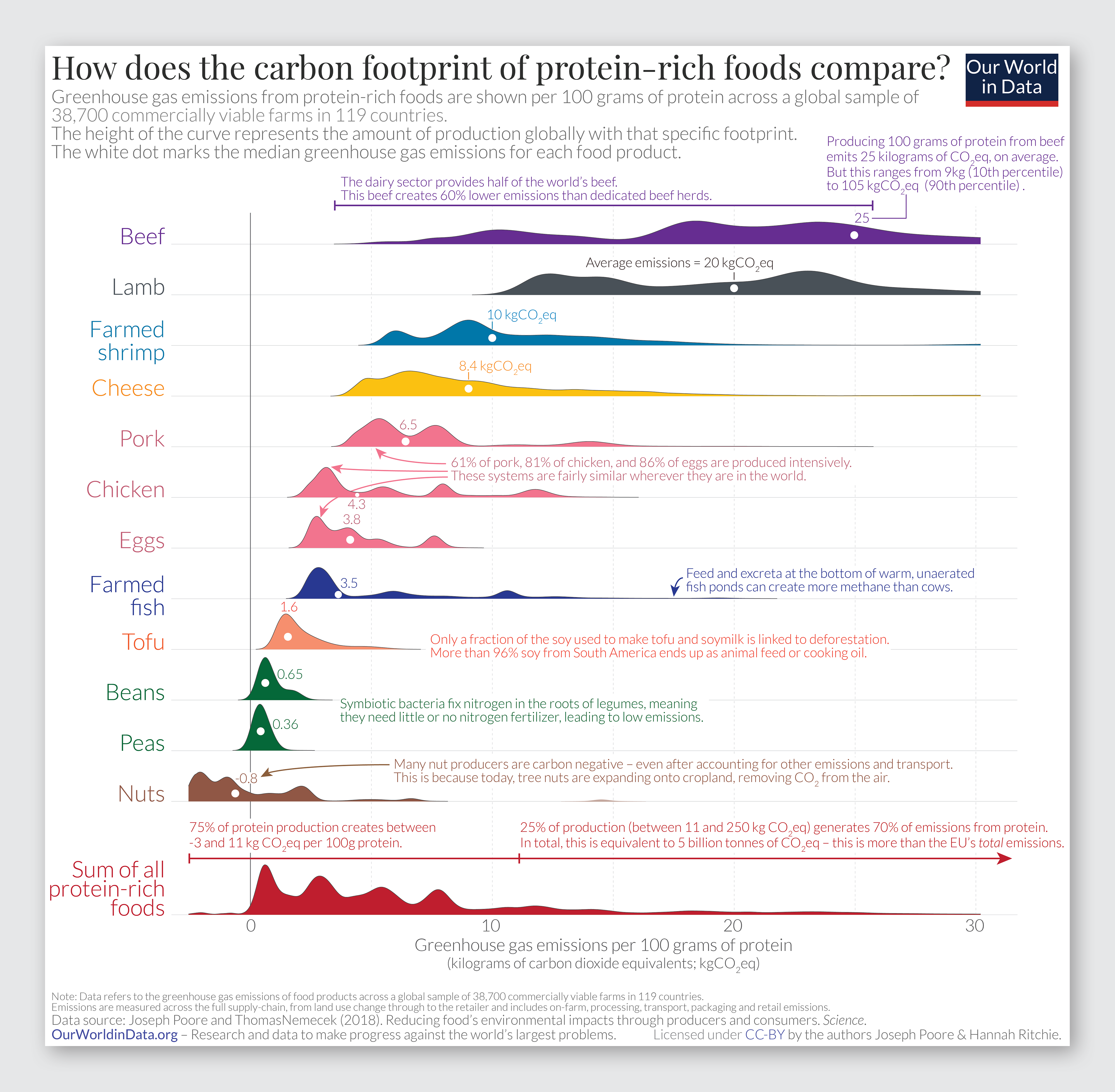
  11. The carbon footprint of beef is 25x more than that of beans and peas combined.
  12. Methane, a greenhouse gas and powerful driver of climate change, emissions from cattle has far more impact on global warming than previously thought.

14 Tips to Lose Weight on a Plant Based Diet

Switching to a plant-based diet from a western or fatty animal-heavy diet to lose weight, unlike other diets, is a healthy choice. A healthy plant-based diet aligns perfectly with optimal health, reversing many chronic lifestyle induced diseases and maladies, and as a side benefit, weight will come off. All plant-based diets are not created equal though.

The healthiest for chronic health issues is an sos (salt oil sugar free) whole food plant based diet (wfpb). A wfpb diet consists of fruit, vegetables, whole grains, starches, legumes, nuts and seeds, herbs and spices. There is a spectrum though. Sos wfpb is the healthiest diet. Even if you include a sprinkle of salt and sugar with it, it is still healthier than anything else. Add a little oil and it’s slightly less healthy, add vegan junk food (french fries are vegan) and fake processed meats and it becomes a lot less healthy, and real dairy and eggs and it becomes dramatically unhealthy, etc…

If you are having trouble losing weight on your current plant-based diet, try this for a month:

  1. Make sure you are eating sos wfpb meals and food.
  2. Drop out all sources of concentrated fats and calories (no nuts and seeds or avocados or breads)
  3. Drink a large glass of water upon waking and more throughout the day but don’t over hydrate.
  4. Eat more and a lot of raw fruits and vegetables.
  5. Eat very high water content foods (cucumbers, carrots, kale, arugula, romaine, melons, eggplant, apples, berries, celery). They will fill you up, you can gnaw all day, and you will be sated.
  6. Have a large satiating breakfast (oatmeal, berries, bananas).
  7. Eat a lot of whole grains and potatoes.
  8. Sleep more.
  9. Stop eating a few hours before bedtime. A good cutoff is 8:00.
  10. Walk more.
  11. Do a bit of bodyweight resistance exercises (body squats, lunges, pushups, planks, etc).
  12. Drink tea (skip the milks).
  13. Have a weekly dose of B12 or if you are older than 60 consult nutrionfacts.org for the correct recommendations.
  14. Do not count calories or waste your time with macros.

Your tastebuds will acclimate. I find that the tastier the food, the more my appetite grows. Keep it simple. You’ll appreciate the taste fo fruits and the subtleties of vegetables more. You’ll feel great.