Why a Whole Food Plant Based Diet is a Longevity Diet in Disguise

Want to live a long and healthy life? Enter mTOR. The mTOR (mechanistic target of rapamycin) pathway is a cellular signaling pathway that regulates growth, metabolism, and protein synthesis in response to nutrients, energy, and stress. Overactivation of mTOR is linked to aging and age-related diseases because it suppresses autophagy (cellular cleanup), leading to the accumulation of damaged cells and proteins.

Inhibiting the mTOR (mechanistic target of rapamycin) pathway through diet and lifestyle is a strategy often associated with longevity and reduced risk of diseases like cancer and diabetes. Though there are many ways to inhibit the mTOR pathway, diet modification is the simplest way to do it. Below are four tips that will lead to a healthier and longer life. If you follow a whole-food, plant-based diet, you are already implementing them.

1. Don’t Eat So Much

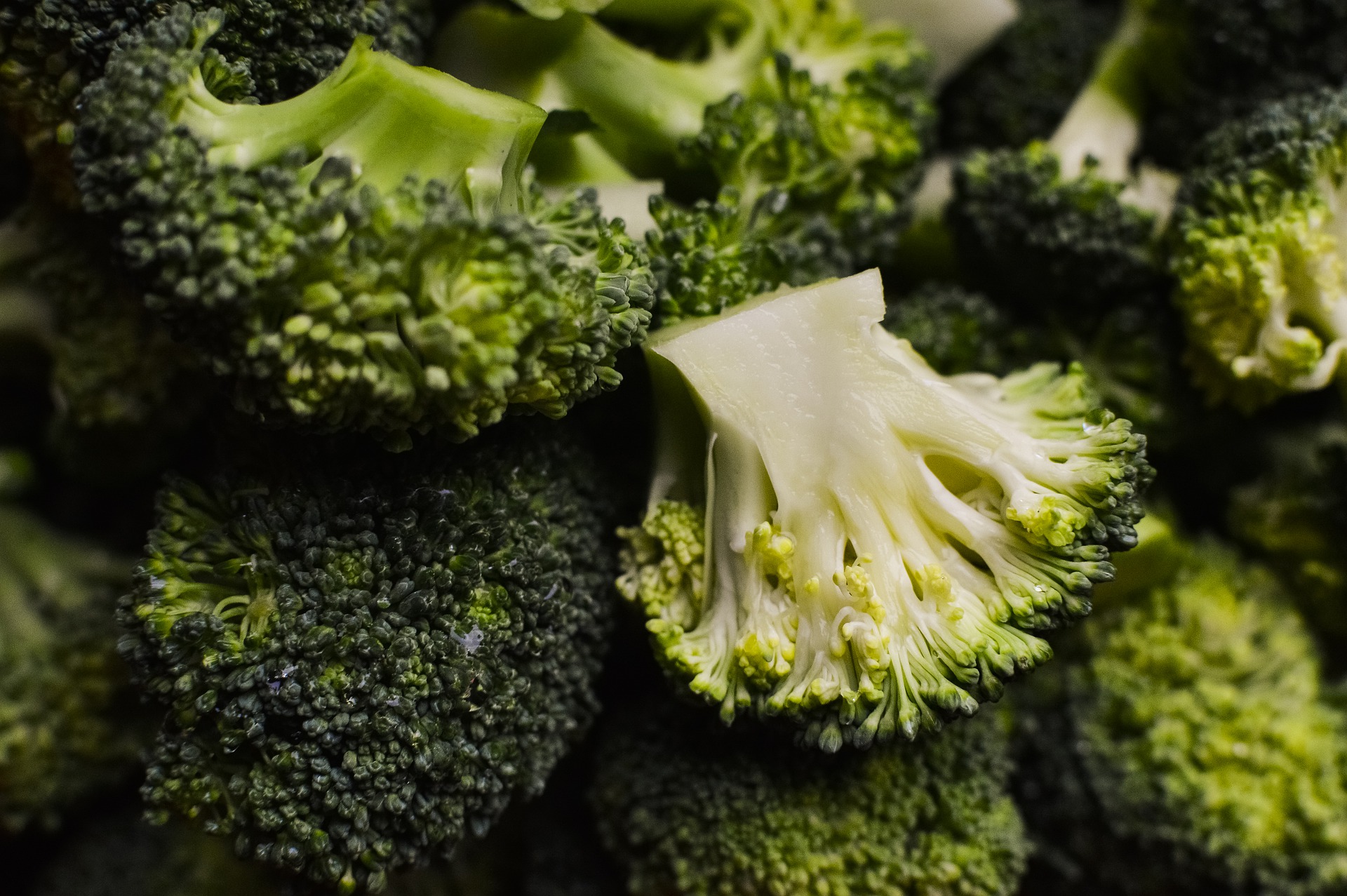
Reducing calorie intake without malnutrition lowers mTOR activity by decreasing nutrient and energy availability. This can enhance autophagy and promote longevity. A whole-food plant-based diet is naturally calorically sparse because fruits, vegetables​, whole grains, and legumes have two powerful components working for them: fiber and water. These two components lead to satiety at a reduced caloric consumption.
2. Spend Less Time Eating

Practices like time-restricted eating or alternate-day fasting inhibit mTOR during fasting periods by limiting amino acid and glucose levels. This encourages cellular repair processes. To put this into practice on a simple level, stop eating by 7 PM and time breakfast for 8 AM. Having a window of 12+ hours gives your body ample time to take advantage of some of the benefits of time-restricted eating without the feeling of deprivation one often feels when fasting.

3. Eliminate Animal Proteins

Animal proteins, especially those high in branched-chain amino acids (BCAAs), activate mTOR. Shifting toward plant-based diets or moderating protein intake can mitigate this activation. Because a whole-food plant-based diet doesn’t include meat or animal products, protein intake declines to the level that is not cancer-promoting. Also, there is ample evidence that protein coming from plant foods (all foods have protein) is healthier than animal sources because animal sources have high levels of saturated fats, toxins, digestive byproducts that destroy your gut flora, and high levels of BCAAs like leucine, which is an mTOR activator.

4. Increase Dietary Polyphenols

Polyphenols in foods like green tea, turmeric, and berries suppress mTOR signaling and reduce inflammation. Polyphenols are natural compounds found in plants that act as antioxidants, reducing oxidative stress and inflammation, which helps protect against chronic diseases like heart disease, diabetes, and cancer.

5. Exercise

Physical activity, particularly aerobic exercise, can regulate mTOR signaling. While resistance training temporarily activates mTOR for muscle building, overall exercise contributes to metabolic balance and cellular health.

Though the ketogenic diet is cited as a good way to downregulate mTOR, it comes with too many risks. Severe nutrient deficiencies, increased heart disease risk, kidney strain, digestive issues, poor bone health, and muscle wasting are some of the risks that would seem to counter the argument for the health component in a long life.

To learn more about the science behind a whole-food plant-based diet while supporting our website, earn a nutrition certificate from Cornell’s Center for Nutrition Studies. Or scan the QR code below.

Maximize Nutrition and Recovery with a Whole Food Plant Based Diet

by Leonardo Garcia © 2021

If there were a Dr. Michael Greger action figure, there would be one in my kitchen. I discovered his www.nutrtionfacts.org years ago and then read his How Not to Die and more recently his How Not to Diet. The nearly 5000 citations from carefully scrutinized science studies and publications is enough to make you giddy with science.

And, yes, there is a whole section on Keto diets and what the science says. I’ve encouraged all my friends who have tried keto to watch the keto video series on nutrtionfacts.org and to read his How Not to Diet. I’ve also encouraged friends to read these books if they simply want some evidence-based guidance to maximize their health.

There is a better path for health and for those wanting to reach a healthy weight. A few of the studies that stood out from his books have showed that low-carb diets increased mortality from ALL causes. The longest lived populations around the world eat high carbohydrate diets centered around whole foods: sweet potatoes, whole grains, vegetables, fruit, etc… There is often a confusion in the fitness industry where all carbohydrate = bad. Processed carbohydrates like white flour, white bread, white rice, sugar, high fructose corn syrup, are indeed unhealthful foods – high in calories and lacking any nutritive value. But whole grains, rich in fiber, minerals, nutrients, and protein, are a different matter all together. Which is perhaps why they lower your risks of heart disease, obesity, type 2 diabetes, and chronic inflammation.

Simply following a whole food plant based diet led to the most profound health changes I’ve experienced: from a better mood and energy to better athletic performance to better sleep. What I fuel my body with is making me healthier and not mortgaging my health for short term optics. 


So, after years of eating a whole food plant based diet, I thought I’d share what a typical lunch looks like. I tend to run or workout before a late lunch so it is the largest meal in volume but perhaps not in calories (though there are plenty). I aim to get as many raw vegetables of as many varieties and colors as I can. Before rinsing and throwing everything into my salad bowl I had a handful of strawberries that were sitting on the counter and ate a few handfuls of baby arugula because it would not fit. In the bowl you’ll see some sprouts (a mix), carrots, red cabbage, broccolini, a red and yellow pepper, and an heirloom navel orange. By the end of this meal I will have had 10-12 servings of veggies and about 7-8 servings of fruit (including what I had at breakfast). This way, anything at dinner is a bonus! 


I’ll also try to include some lightly steamed dark leafy greens with some spices. In the smaller bowl you’ll see some purple and green kale with granulated garlic, chipotle powder, oregano, and a splash of apple cider vinegar below a pile of black beans with salsa. Typically, I’d also have a pile of quinoa or millet or some whole grain but I was too hungry to wait for that to cook and the fridge didn’t have leftovers. I’ll get them at dinner. After all of this, I’ll grab a date or two and a few walnuts.

Maybe the next post will have a picture of breakfast!

Five Day Water Fast

download.jpg

Years ago before I ran my second marathon, I read several books by Dr. Joel Furhman. The two that I always keep going back to are his Super Immunity and Fasting and Eating for Health. A therapeutic fast with all of the associated health benefits (improved insulin resistance, decrease in inflammation, internal repair, improved digestion, decrease in cancer cell proliferation, autophagy, among many more) and the opportunity for emotional and spiritual introspection has been an appealing idea for me.

I was running a lot and to support that, fueling a lot, and my body and knees have always been temperamental. Different modes of bodywork help but fasting seemed like it would be a calm and grounding alternative. Logistically, with a busy life, it is difficult to allot a week without inconveniencing my family rhythm. Nevertheless, a few weeks ago I heard Jay Ferruggia interview Dr. Zach Bush and was reminded how fasting can improve your performance so… I had a low-key week off and tried a five day water fast.

Day 1

179.8 (though I haven’t weighed in for a while, I usually eight in at 177ish but feel like this may be high after having a slightly looser and higher in sodium bit of food yesterday)

First day was basically boring. My day seems to revolve around food thought, planning, and cooking. It may be a long 5 days.

Day 2

178.0

Both days 1 and 2 were not very productive. It’s amazing how much food punctuates and structures my day. And, how much I think of nutrition and cooking… I’ve been a bit listless but am treating the time as rest and recovery from constant exercise and fueling…

Took my boys to watch a movie and was overwhelmed by the smells of junk food. I didn’t cave but did buy them popcorn and watched them stuff their little faces.

download-1.jpg

Day 3

173.4

Last night was the first night where sleep was a bit erratic. I’ve been reading Joel Furhman’s Fasting and Eating for Health about what to eat to break the fast and the thought of an orange or watermelon followed with lettuce and steamed zucchini or potatoes sounds fantastic. It doesn’t help to have a fascination with cookbooks so I made it a point to hold off perusing them and that I would just cook one of my standard feed the kids dinners.

Went for a fast walk/hike for about 60 minutes. Felt good. Especially towards the end. Despite having gloves on, fingers have been getting cold more than usual.

Day 4

169.4

Had a difficult time sleeping last night and woke to find my alarm hadn’t gone off. Rushed around to get my son to school but still managed to make him wholegrain pancakes and a berry smoothie. Still thinking about food but the ‘clear-headedness’ has set in and it makes it easier to see food more objectively. Notice that I am constantly asking myself how I feel and will try to focus a bit on the ‘outer’ world by going to some SF museums with my younger son who is on break.

Day 5!

166.8

It’s here! Day 5! Half excited about breaking the fast, half excited to see what another few days yield…Difficulty sleeping last night because I went to bed early and had a bit of a headache. Woke up feeling better and am thinking of breaking the fast tonight at 120 hours (8 pm) with a bit of vegetable juice and bone broth….or just waiting until tomorrow if I feel good throughout the day.

Practiced a lot today and felt super productive.

I actually do not feel like breaking the fast but given the baby steps recommended for breaking a fast I thought it better to start the process. Around hour 120 I drank diluted vegetable and carrot juice and then an hour or so later some bone-broth. Fast broken.

download-2.jpg

Day After

Slept well and am going on a long walk. Feel great. Had more diluted carrot and vegetable juice and one amazingly flavorful banana. Over the next day or so, I’ll have more fresh fruit, romaine lettuce, and other vegetables, more broth, and maybe some steamed potatoes and more veggies. Tomorrow I’m planning on making a plain kitchari.

Lessons Learned

  • Plan on not having a plan. Let your emotional state guide you. You might feel like taking walks, you might not, you might feel like being around other people, you might not. Give yourself permission to listen to your body.
  • If possible, stay away from food. I cooked breakfasts for my boys before school, made dinner, and went to two movies where the smell of popcorn was overwhelming. If less will power is involved it may be better.
  • Enjoy the fact that you are healing internally and that ou are giving your body a long and necessary rest.
  • If you are caffeine-dependent, ease off a few weeks before you do your fast. I love coffee but weaned myself off and it seemed like the headaches and withdrawal symptoms most experience at the beginning of a fast didn’t hit me.
  • Clean up your diet months in advance. Avoid sugar, processed food, alcohol, and animal products. Stick with lots of fruit and vegetables, well-prepared legumes, starches, and whole grains, some nuts and seeds.
  • Meditation helps. I did about 30-40 minutes of simple breathing each day.

What would I do differently next time?

  • I would probably try to go for 10-12 days. On day 5 I felt close to wonderful and I wanted to enjoy exactly that state for several more days.
  • Maybe try to do it in the summer. My body felt colder than usual.
  • Avoid bone broth now that I know that animals store toxins in their bones and bone broth hype is hype.

Hope this helps all of you on a quest for better health!