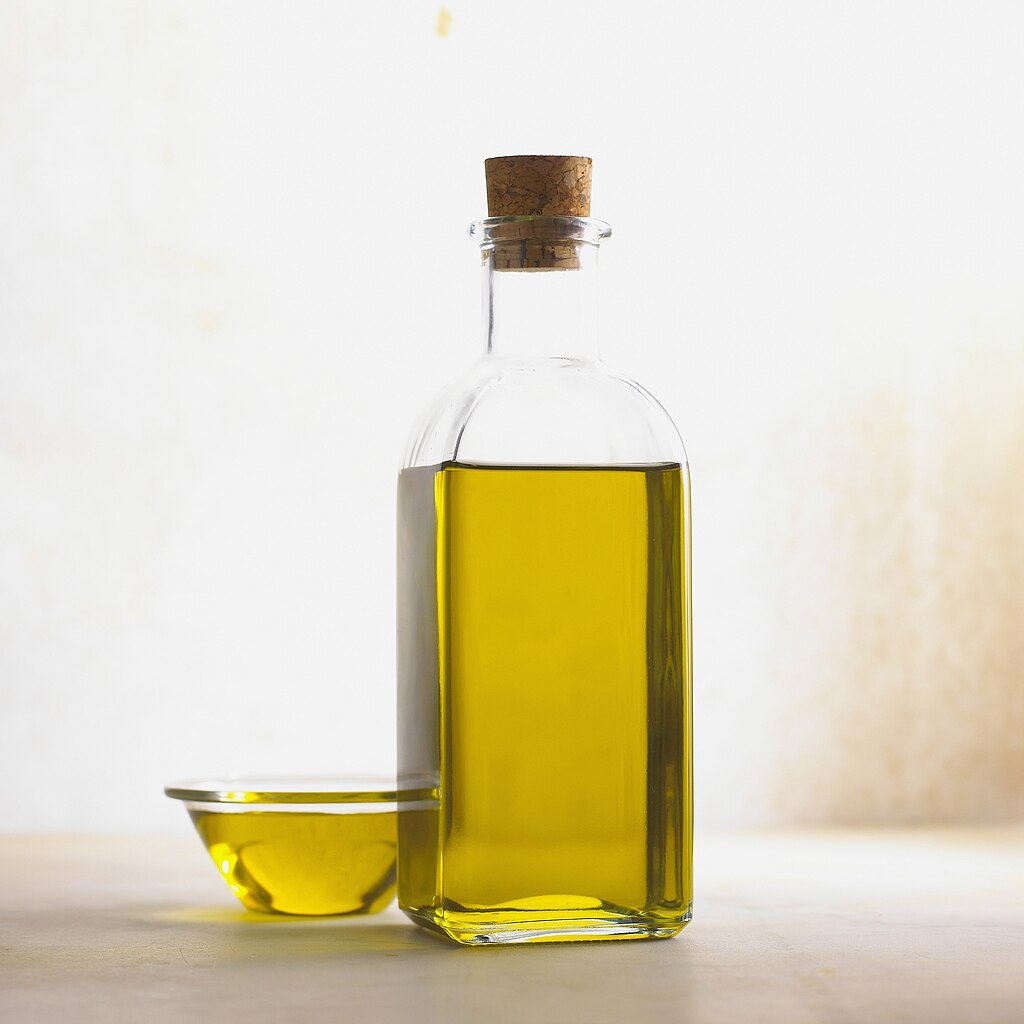
A recent New York Times article celebrated olive oil as central to the Mediterranean diet’s remarkable health outcomes, highlighting studies linking it to lower cardiovascular and dementia risk. For many readers, that framing feels empowering: add olive oil, gain protection. But when someone is dealing with insulin resistance, obesity, or established heart disease, the conversation has to go deeper. This essay takes a step back from the enthusiasm to examine what the evidence actually shows—and how it applies in practice.
Olive oil has achieved near-mythic status in modern nutrition writing. It is described as anti-inflammatory, brain-protective, and heart-saving. It is portrayed not merely as beneficial but as one of the “key drivers” of longevity in Mediterranean populations. The message is appealingly simple: drizzle generously and live longer.
There is, however, a meaningful difference between what makes a compelling headline and what constitutes the strongest evidence for improving health—especially in people who are already metabolically compromised. When we look carefully at the data underlying these claims, olive oil appears less like a miracle food and more like what it likely is: a better alternative to worse fats, but not necessarily the most powerful lever available.
Much of the enthusiasm surrounding olive oil traces back to the 2018 Spanish PREDIMED trial republished in the New England Journal of Medicine (https://www.nejm.org/doi/full/10.1056/NEJMoa1800389). In this study, participants at high cardiovascular risk were assigned either to a Mediterranean diet supplemented with extra-virgin olive oil, a Mediterranean diet supplemented with nuts, or a control diet. The Mediterranean groups experienced roughly a 30% reduction in major cardiovascular events compared with the control group.
This data is meaningful evidence. But it is also frequently simplified. Both the olive oil group and the nut group experienced similar reductions in risk. The study did not isolate olive oil as a standalone intervention; it evaluated an overall dietary pattern rich in vegetables, legumes, fruit, whole grains, and fish. To conclude from this data that olive oil is the “key driver” of benefit extends beyond what the trial directly demonstrates. At most, the study supports that a Mediterranean-style dietary pattern supplemented with either nuts or olive oil is superior to a standard control diet in a high-risk population.
Another nuance often absent from media coverage is that many olive oil studies operate on a substitution model. Replace butter or saturated fat with olive oil, and lipid markers improve. That finding is biologically plausible and well supported. But substitution is not the same as optimization. Showing that olive oil is better than butter does not establish that olive oil is the most health-promoting dietary fat possible, nor that adding oil to an already whole-food diet enhances outcomes.
When researchers have explored more intensive dietary interventions—particularly whole-food, plant-based patterns—the results suggest a different level of therapeutic potential. Dean Ornish demonstrated regression of coronary atherosclerosis in patients following a comprehensive lifestyle intervention that included a very low-fat plant-based diet (https://pubmed.ncbi.nlm.nih.gov/1973470/). Caldwell Esselstyn reported dramatically reduced recurrent cardiac events among adherent participants following a whole-food plant-based diet that excluded added oils (https://pubmed.ncbi.nlm.nih.gov/25198208/). Neal Barnard’s randomized trials showed improved glycemic control and lipid profiles in patients with Type 2 diabetes following a low-fat vegan diet compared with conventional dietary advice (https://pubmed.ncbi.nlm.nih.gov/16873779/). The BROAD study demonstrated significant improvements in body mass index and cardiovascular risk markers in a community-based whole-food plant-based intervention without calorie restriction (https://pubmed.ncbi.nlm.nih.gov/28319109/).
What is striking about these interventions is not that they portray olive oil as dangerous, but that they emphasize whole plant foods and often exclude added oils entirely. The therapeutic benefit appears to arise from dramatically increasing fiber intake, lowering energy density, improving satiety, and shifting lipid profiles. Extracted oils—however minimally processed—do not provide fiber or intact food structure. They are calorically dense and easy to overconsume.
Food structure itself may influence physiological response. In one crossover study, a walnut-enriched high-fat meal preserved endothelial function better than a comparable meal enriched with olive oil (https://pubmed.ncbi.nlm.nih.gov/17045905/). Even when fat types are similar, whole foods and extracted fats can behave differently in the body. The food matrix matters.
The recent observational study linking olive oil intake to reduced dementia-related mortality (https://jamanetwork.com/journals/jamanetworkopen/fullarticle/2818362) adds further intrigue. Individuals consuming more than half a tablespoon per day had lower dementia-related mortality. But this was observational research. The authors themselves emphasize replacement—substituting olive oil for margarine or butter—not proof of causation. Individuals who consume more olive oil may also engage in other health-promoting behaviors and adhere more closely to overall dietary patterns known to reduce disease risk. Observational associations are informative, but they are not definitive proof that olive oil itself prevents dementia independent of overall diet quality.
Mainstream health journalism often follows a predictable arc: spotlight a single food, emphasize relative risk reductions, include expert quotes, and conclude with recipes. The format is accessible and engaging. It is also incomplete. What is usually missing is deeper context—what was the comparison diet, how large was the absolute risk reduction, and how does this compare to interventions designed for metabolic reversal?
For individuals in good health seeking incremental improvement, incorporating olive oil into a Mediterranean-style dietary pattern is unlikely to be harmful and may be beneficial compared with typical Western dietary fats. But for individuals facing obesity, insulin resistance, advanced atherosclerosis, or Type 2 diabetes, the more urgent question is not whether olive oil is good. It is the dietary pattern that most effectively lowers LDL cholesterol, improves glycemic control, reduces inflammatory burden, and, where possible, regresses disease.
The strongest evidence for those outcomes consistently points toward dietary patterns centered on legumes, intact whole grains, vegetables, fruit, nuts, and seeds, with minimal processing and high fiber intake. Olive oil can coexist within such a pattern. It does not appear to be the engine of its benefits.
The distinction between good, better, and best is subtle but important. Olive oil is almost certainly better than butter or trans fats. That does not automatically make it the healthiest fat possible, nor the primary driver of longevity in Mediterranean populations. Health headlines sacrifice nuance when they simplify complex evidence into enthusiastic endorsements of a single ingredient.
Olive oil may be beneficial. Whole-food dietary patterns are powerful. For those seeking meaningful improvements in health—especially those already struggling—the distinction between those two statements lies at the heart of the matter.
 Rabbit Hole Runner