There are several ways to rate the nutritional content of whole foods; each system focuses on specific attributes like nutrient density, calorie and antioxidant content, or health impacts. As you can see from the charts below, there is a lot of overlap in these systems when it comes to the healthiest whole foods.

Aggregate Nutrient Density Index (ANDI)
Rates foods based on their nutrient density per calorie and assigns scores based on the presence of vitamins, minerals, antioxidants, and phytochemicals relative to calorie content.
| Category | Top Foods |
| Fruits | Strawberries, Blackberries, Plums, Raspberries, Blueberries, Oranges, Grapefruit, Cherries, Pomegranate, Papaya |
| Vegetables | Kale, Collard greens, Mustard greens, Watercress, Spinach, Arugula, Bok choy, Swiss chard, Romaine lettuce, Brussels sprouts |
| Legumes | Lentils, Chickpeas, Black beans, Pinto beans, Kidney beans, Navy beans, Green peas, Edamame, Mung beans, Soybeans |
| Whole Grains | Quinoa, Amaranth, Buckwheat, Barley, Brown rice, Millet, Oats, Rye, Bulgur, Farro |


Nutrient Rich Foods Index (NRF)
Scores foods based on the amount of beneficial nutrients (e.g., protein, fiber, vitamins) minus problematic components (e.g., added sugars, saturated fat).
| Category | Top Foods |
| Fruits | Blueberries, Kiwi, Guava, Strawberries, Oranges, Bananas, Pineapple, Mango, Apples, Papaya |
| Vegetables | Broccoli, Sweet potatoes, Red bell peppers, Spinach, Tomatoes, Carrots, Asparagus, Cauliflower, Zucchini, Beets |
| Legumes | Black beans, Lentils, Chickpeas, Soybeans, Split peas, Red beans, Green lentils, Navy beans, Black-eyed peas, Adzuki beans |
| Whole Grains | Oats, Brown rice, Quinoa, Farro, Buckwheat, Bulgur, Barley, Amaranth, Whole wheat, Teff |
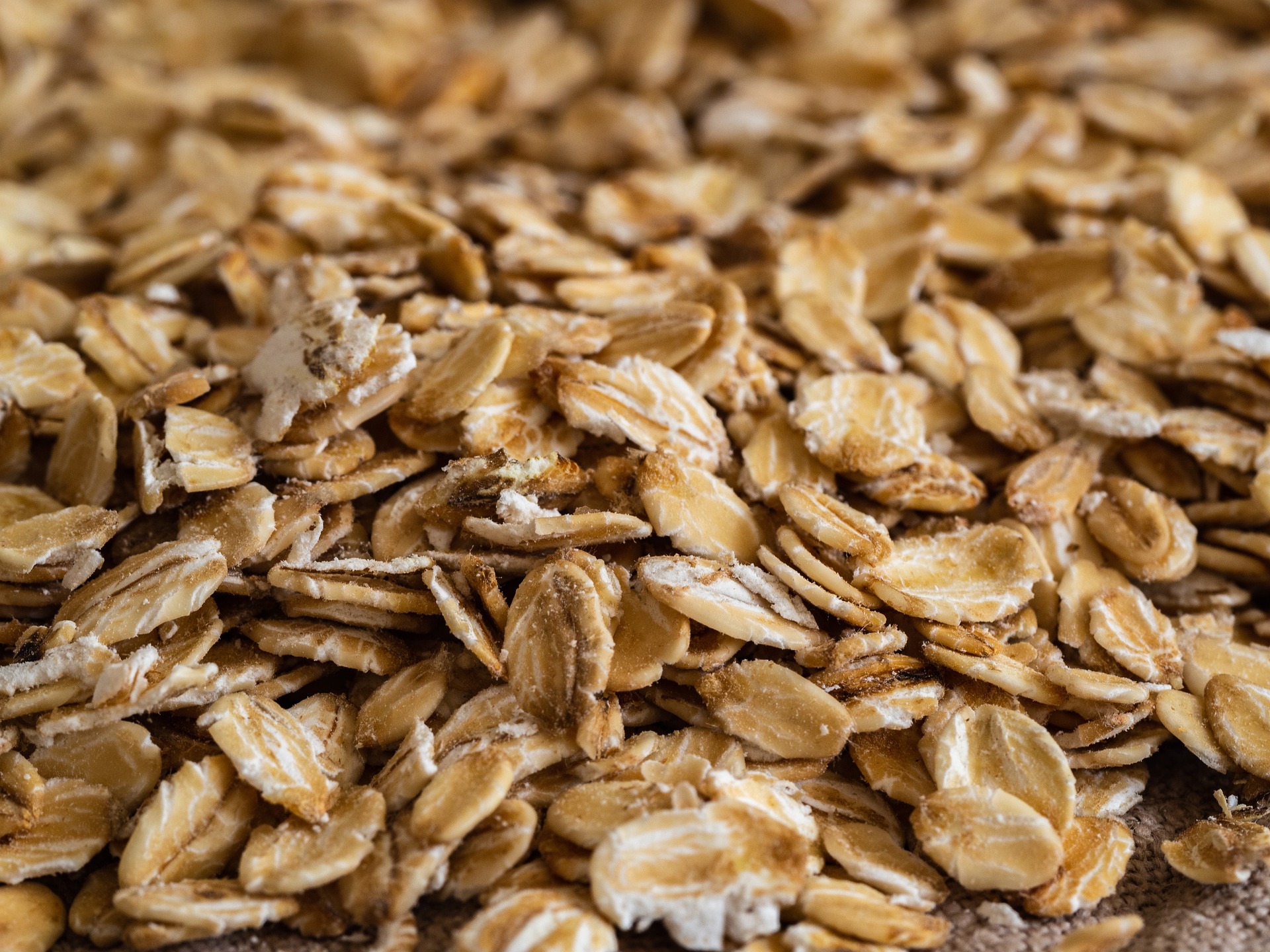
Oxygen Radical Absorbance Capacity (ORAC)
Measures the antioxidant capacity of foods, indicating their ability to neutralize free radicals.
| Category | Top Foods |
| Fruits | Prunes, Blueberries, Blackberries, Strawberries, Cranberries, Apples (Granny Smith), Pomegranates, Plums, Raspberries, Oranges |
| Vegetables | Artichokes, Spinach, Kale, Red cabbage, Beets, Bell peppers, Broccoli, Sweet potatoes, Onions, Eggplant |
| Legumes | Red kidney beans, Pinto beans, Black beans, Lentils, Soybeans, Chickpeas, Green peas, Fava beans, Navy beans, Mung beans |
| Whole Grains | Sorghum, Millet, Oats, Barley, Wild rice, Quinoa, Farro, Whole wheat, Rye, Teff |

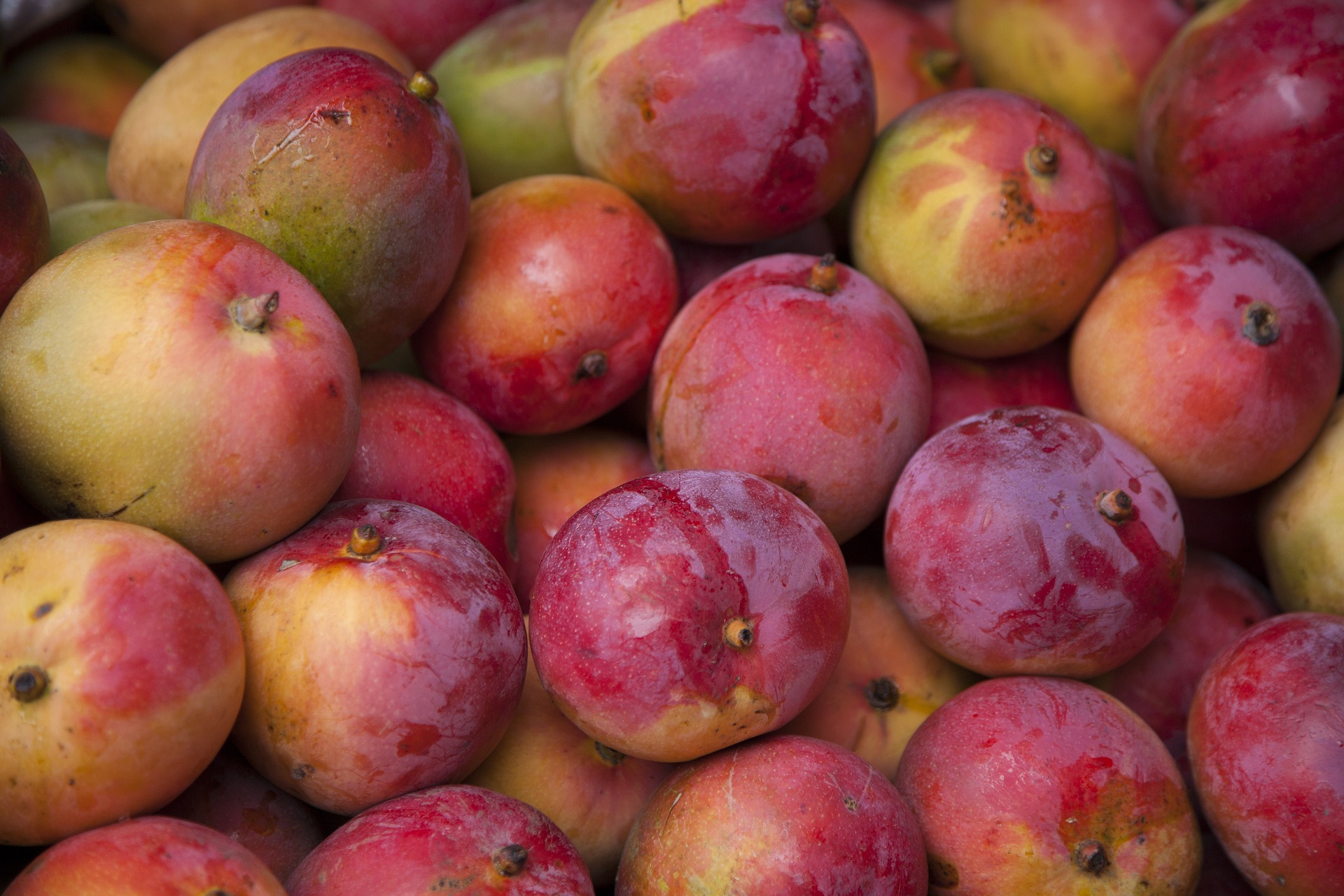
Food Compass
Scores foods from 0 to 100 based on 9 domains of nutrition (e.g., vitamins, processing level, bioactives).
| Category | Top Foods |
| Fruits | Blueberries, Blackberries, Raspberries, Kiwi, Oranges, Apples, Bananas, Mangoes, Papayas, Grapefruit |
| Vegetables | Spinach, Kale, Swiss chard, Broccoli, Carrots, Cauliflower, Green beans, Bell peppers, Mushrooms, Asparagus |
| Legumes | Lentils, Chickpeas, Black beans, Soybeans, Green peas, Pinto beans, Adzuki beans, Navy beans, Mung beans, Split peas |
| Whole Grains | Oats, Quinoa, Brown rice, Barley, Bulgur, Amaranth, Buckwheat, Rye, Millet, Teff |
While each system has its strengths and limitations, combining insights from these approaches can provide a well-rounded perspective on the nutritional value of whole foods and why a whole-food plant-based diet is so effective at resolving chronic health conditions.
Here’s what you might expect if you centered your diet around these foods:
1. Improved Nutrient Intake
These foods are rich in vitamins, minerals, antioxidants, fiber, and essential nutrients, which can support optimal bodily functions, including immune health, energy production, and cellular repair. Diets rich in fruits and vegetables have been shown to reduce the risk of nutrient deficiencies and provide critical antioxidants, such as vitamin C and polyphenols, which fight oxidative stress.


2. Reduced Risk of Chronic Diseases
Increased intake of leafy greens, berries, and legumes can lower LDL cholesterol and blood pressure and improve cardiovascular health. Cruciferous vegetables like kale and broccoli contain glucosinolates, compounds linked to lower cancer risk. Whole grains and legumes can improve insulin sensitivity and lower the risk of type 2 diabetes.
3. Weight Management
Foods with high nutrient density but low caloric density (like leafy greens, fruits, and legumes) can help with weight loss or maintenance by increasing satiety without excess calories. Studies show diets high in fiber promote fullness and reduce overall calorie intake.
4. Enhanced Longevity
High-antioxidant foods, such as berries and cruciferous vegetables, inhibit oxidative damage and inflammation, processes linked to aging and chronic diseases. The inclusion of whole grains and legumes in diets like the Mediterranean or Blue Zone diets has been associated with extended lifespan.
5. Gut Health
Legumes, whole grains, and vegetables are rich in fiber and prebiotics, which support gut health and microbial diversity. A healthy gut microbiome is crucial for digestion, immunity, and mood regulation.
To learn more about the science behind a whole-food plant-based diet while supporting our website, earn a nutrition certificate from Cornell’s Center for Nutrition Studies. Or scan the QR code below.



 Rabbit Hole Runner