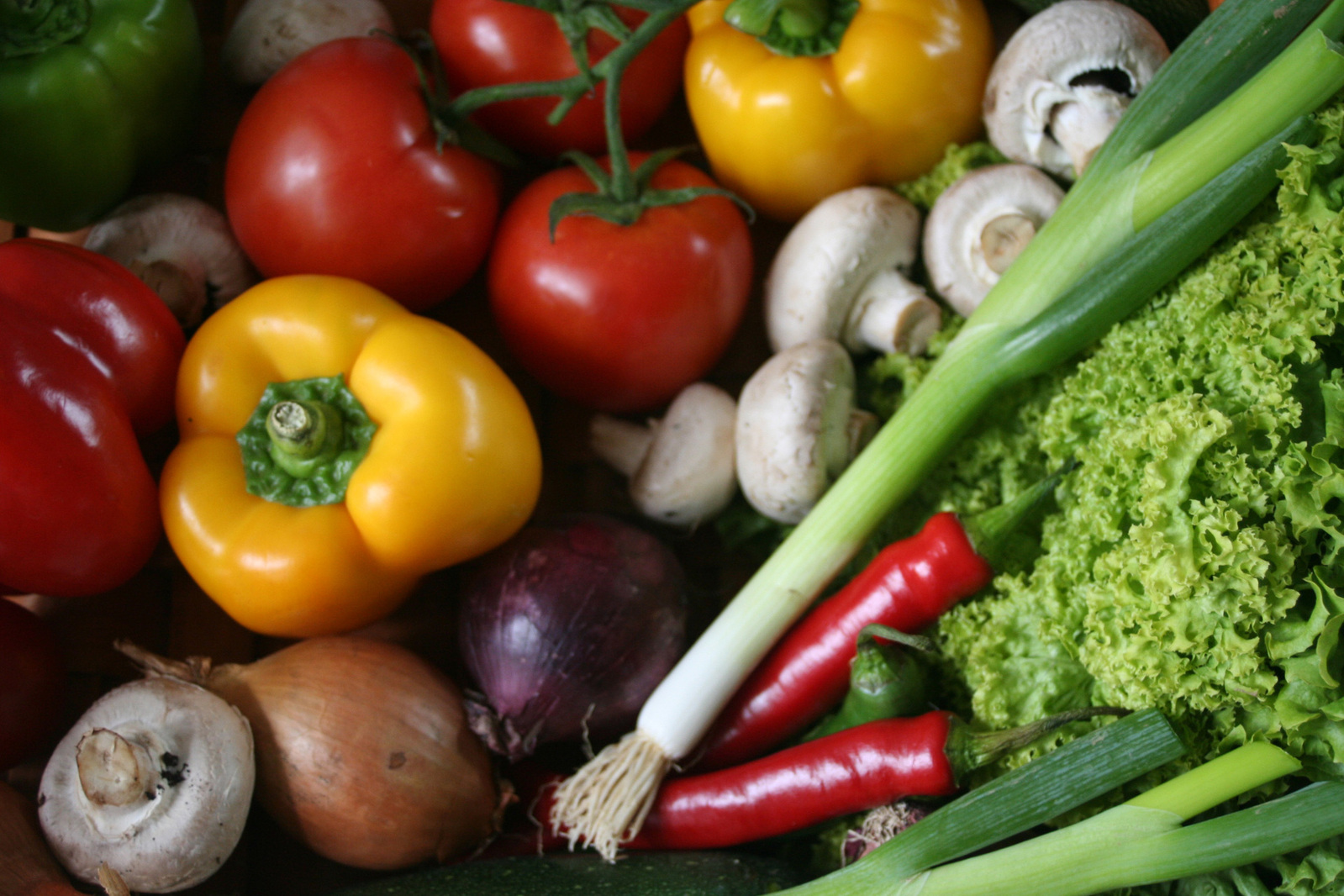
A diet rich in fruits, vegetables, whole grains, legumes, nuts and seeds, also commonly referred to as a whole food plant-based diet, is the only diet to clinically reverse the chronic diseases, such as heart disease, certain types of cancers, diabetes, etc., brought on by the western diet. If you enjoy geeking out on the science, below is a list of 10 randomized controlled and meta-analyses of randomized controlled studies on the benefits of whole grains (oatmeal, brown rice, amaranth, quinoa, whole wheat, farro, barley, etc), a key component of a whole food plant based diet. Go have some oatmeal!
A meta-analysis of 15 randomized controlled trials found that consuming whole grains can significantly reduce fasting insulin levels, an important risk factor for type 2 diabetes. (Reynolds et al., 2020)
A randomized controlled trial involving overweight and obese adults found that those who consumed whole grains had a significant reduction in body weight and BMI compared to those who consumed refined grains. (Katcher et al., 2008)
A systematic review and meta-analysis of 45 randomized controlled trials found that whole grain consumption was associated with significant reductions in total cholesterol, LDL cholesterol, and triglycerides. (Mellen et al., 2008)
A randomized controlled trial involving postmenopausal women found that consuming whole grains was associated with improvements in insulin sensitivity and blood pressure. (Jonnalagadda et al., 2011)
A meta-analysis of 11 randomized controlled trials found that whole grain consumption was associated with lower levels of C-reactive protein, a marker of inflammation that is associated with chronic diseases such as heart disease and type 2 diabetes. (Liu et al., 2015)
A randomized controlled trial involving overweight and obese adults found that those who consumed whole grains had a significant reduction in systolic blood pressure compared to those who consumed refined grains. (Pol et al., 2013)
A systematic review and meta-analysis of 11 randomized controlled trials found that whole grain consumption was associated with improvements in endothelial function, a measure of blood vessel health that is associated with reduced risk of cardiovascular disease. (Kelly et al., 2010)
A randomized controlled trial involving overweight and obese adults found that those who consumed whole grains had a significant reduction in markers of systemic inflammation compared to those who consumed refined grains. (Karl et al., 2014)
A systematic review and meta-analysis of 25 randomized controlled trials found that whole grain consumption was associated with lower risk of cardiovascular disease, including stroke and heart attack. (Aune et al., 2016)
A randomized controlled trial involving overweight and obese adults found that those who consumed whole grains had a significant reduction in fasting glucose levels compared to those who consumed refined grains. (Reynolds et al., 2019)
Almost 700,000 people in the United States died from heart disease in 2020. Not counting the exceptional death toll in 2020-2021 caused by COVID-19, according to the Centers for Disease Control (CDC), heart disease remains the leading cause of death for men, women, and people of most racial and ethnic groups in the United States. Heart disease is a lifestyle-induced disease. Meaning that the choices you make on a day-to-day basis will determine whether you develop the disease or not. Diets high in saturated fat, cholesterol, sodium, refined foods, processed foods (white flour, white sugar, oil, etc.), and alcohol are the drivers of heart disease. That really translates into red meat, processed meat (sausages, prosciutto, jerky, etc.), chicken, fish, pork, eggs, cheese, milk, or any other lactation-derived product, candy, ice cream, soda, pastries, cakes, fast food, refined oil, etc., all staples of the western diet. Though smoking also increases the risk, diet is at the heart of the matter.
In 2017, almost 7% of the US population over 20 had cardiovascular disease, and close to 72 million people went to the hospital for a heart-related problem. That number represents 1 in 5 people in the US. In 2018, 30 million people in the US were diagnosed with heart disease. Every year, almost one million people in the US have a heart attack. And, alarmingly, by the age of 10, most children in this country have already begun to accumulate fatty streaks in their arteries. Ponder that and its implications for the quality of life that cardiovascular disease imparts. You may not die now from heart disease, but what will a day in your life be like with it?
With clogged arteries (atherosclerosis), delivering oxygen to your brain is taxing, moving is a chore, exercise is more difficult, living is difficult. Your body is not functioning optimally. Complications and co-morbidities arise. You’ll likely spend time in the environment of hospitals and doctor offices. The medicines and procedures prescribed to alleviate and manage the symptoms of heart disease have a myriad of side effects, which in turn require more medicines with side effects to remedy. This can complicate and exacerbate other health issues. Pills are very expensive bandages for wounds requiring stitches. In short, from the day cardiovascular disease begins to the point where it requires “management” to the point where it manifests as heart failure, heart attack, stroke, or death, there is an extended period in life where your body is not functioning optimally, where you will not feel your best, and where your life is negatively impacted until the end point. When you are diagnosed, this is the point at which your pharmaceutical slavery is likely to begin. And doctors are ready with an arsenal of medications and procedures to prescribe, from statins to blood thinners, beta-blockers, ACE inhibitors, and stents, all doing very little to solve the underlying cause of the disease.
The period from management to manifestation is where public policy (USDA/FDA) and aggressive marketing and lobbying efforts from Big Ag and Big Pharma keep you in the gray, keeping you “managed” in a state of slightly slower rate of physical decline with a metaphorical IV to your bank account. Public policy continues to tiptoe around the influence of Big Ag and Big Pharma, shackling those suffering from chronic lifestyle-induced conditions to permanent pharmaceutical enslavement—an existence where you will be required to purchase and ingest medications for the rest of your life to relieve symptoms without resolving the underlying cause of your illness. With the cost of caring for heart disease and its related conditions in the hundreds of billions of dollars, from a financial perspective, it is hard to see the status quo changing.
The medical system has aligned with the interests of Big Pharma and Big Ag to grant them a place in deciding your fate: not knowing how you ended up with heart disease, confused and misinformed about any action you can take to both alleviate and cure your disease, and now dependent on your doctor, who likely has received no guidance on preventative nutrition and drugs for the rest of your life.
This brings us to two studies every person (cardiologist and primary care physician included) should read: Dr. Caldwell Esselstyn’s study on preventative care for heart disease and Dr. Dean Ornish’s Lifestyle Intervention Trial. They both show that in interventional randomized controlled trials, a low-fat (around 10% or less of total kcal) whole-food plant-based diet (a diet rich in fruits, vegetables, legumes, and whole grains) halts and reverses the course of cardiovascular disease. A whole-food plant-based diet also quickly frees you from pharmaceutical slavery and the suffering that comes with it. With little cost and research, it is easy to implement.
Though modern medicine can miraculously remove a tumor, fuse a disk, or set a bone, it would be unusual and yet so simple and effective to get a prescription for preventative nutrition and the proper support to implement it. This could cost very little and could, miraculously, yield a cure. No prescription pad is needed. What if there were a financial incentive to cure instead of treat the patient?
The question, “What is the risk of me getting heart disease or what is my risk of death from heart disease?” remains an abstract, distant, and difficult one to answer until you are diagnosed. Even if you can connect the dots between diet and disease, nobody does the math in their heads. Cardiovascular disease doesn’t just appear; it develops. If your diet looks like the western diet or you habitually consume foods rich in saturated fat and cholesterol (animals), you are likely developing cardiovascular disease. You shouldn’t wait for a heart attack or stroke to inform you or for your primary care doctor to effectively guide you out of the gray.



 Rabbit Hole Runner